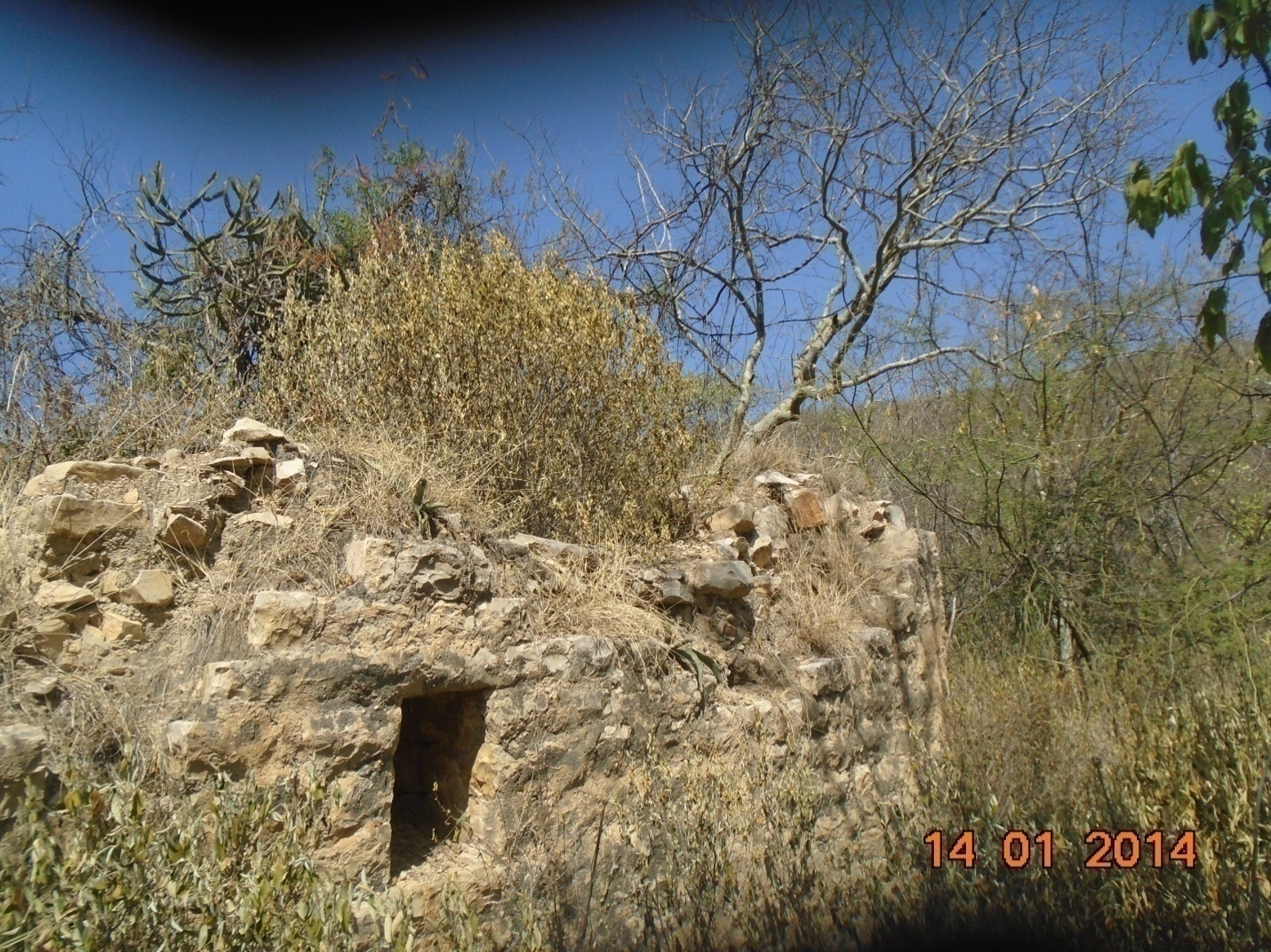
E. Rorriso Cave
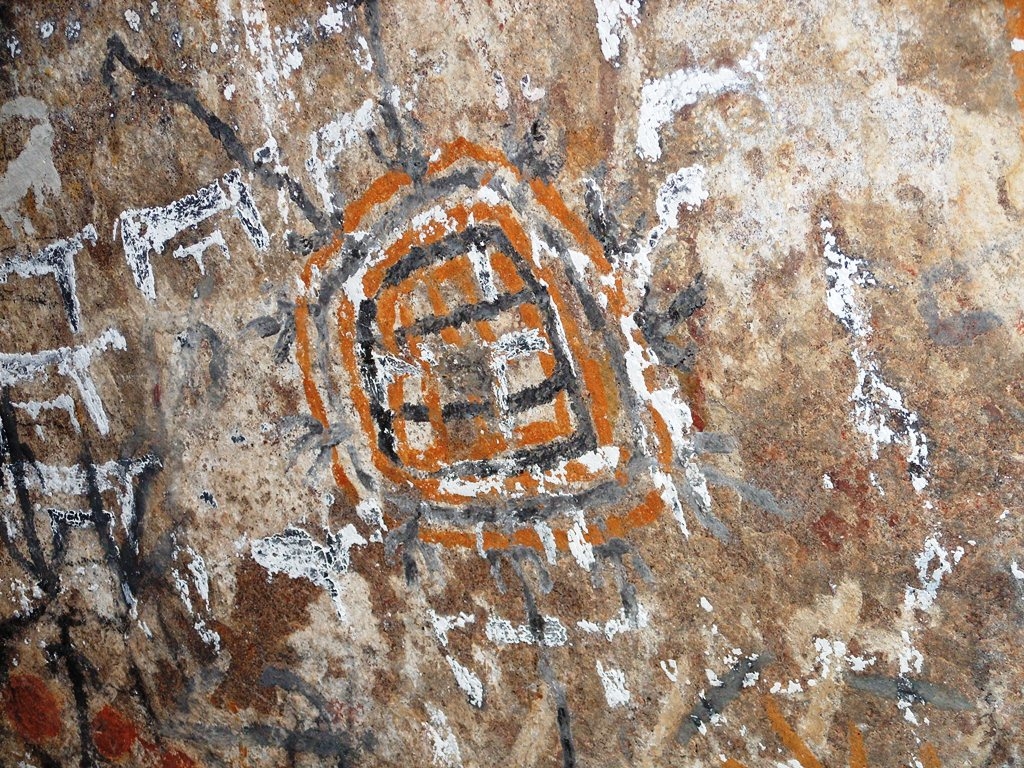
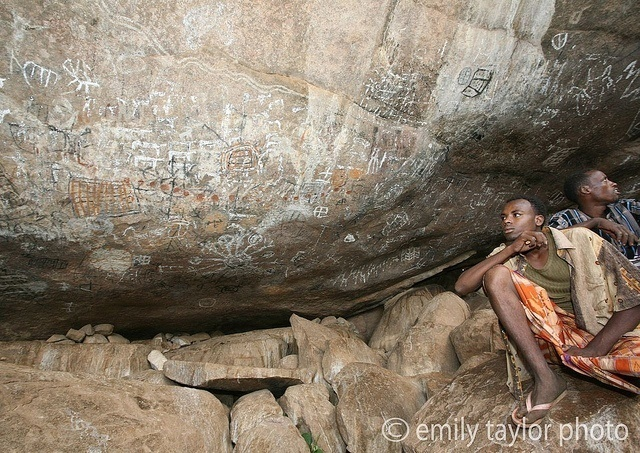
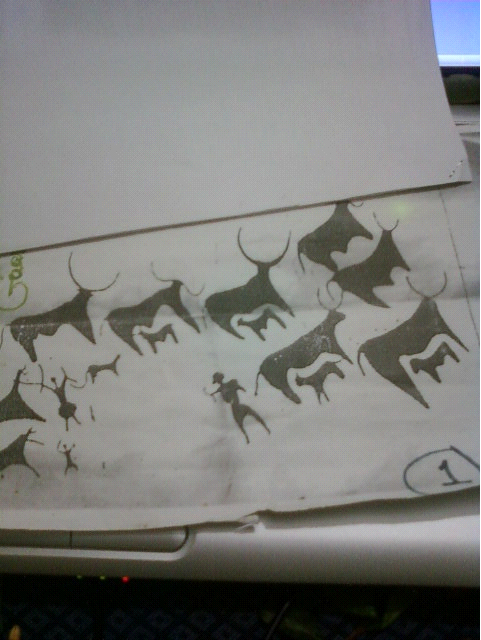
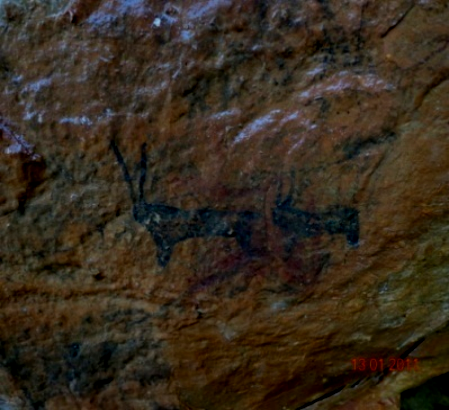
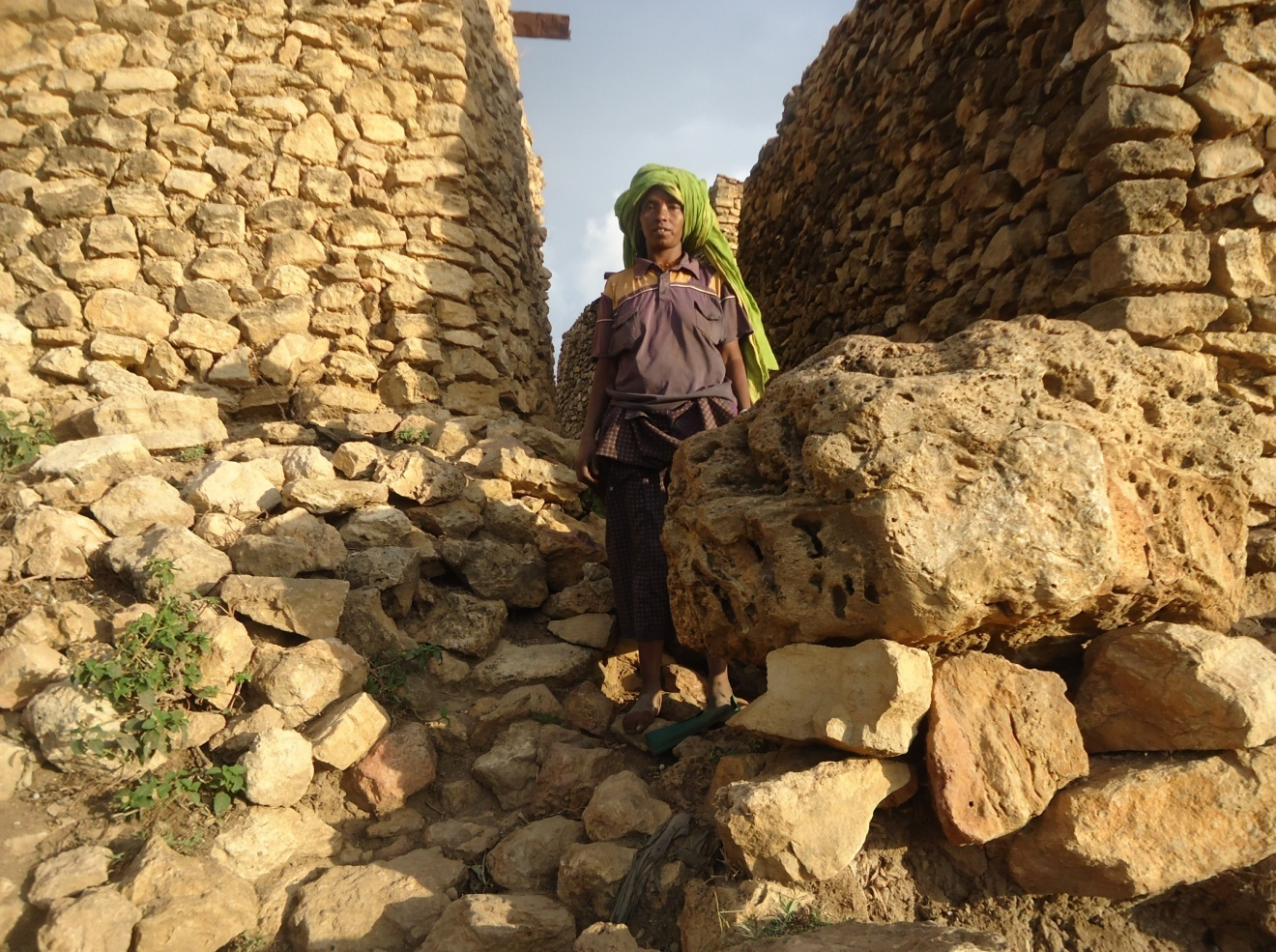
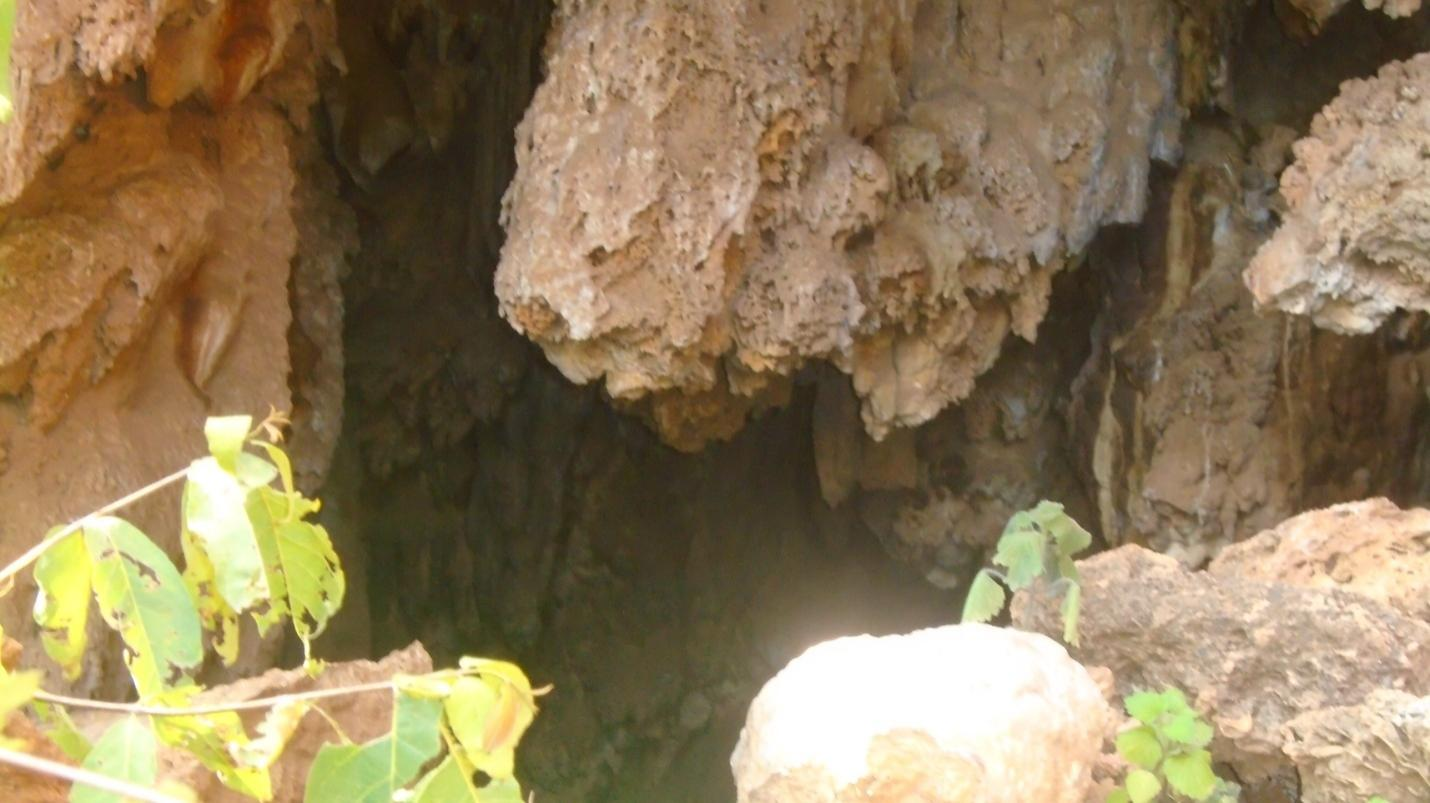
Rorriso Cave is a natural rock formation that holds ancient
inscriptions, numerous unique images, and traditional ink paintings.
his rock is located in the Eastern Hararghe Zone, in Gursum District,
within the village of Ibsaa. It is situated 4 kilometers away from
the main town of the district. From the main road, it takes a walk
of 4 kilometers to reach the site.
F. Laga Gola Waddeeysa
Laga Gola Waddeeysa is located in Fadis District, specifically
in the sub-district of Melka, in a village called Gora. It lies
11 km from the district center, 35 km from the zonal capital,
and 560 km from Addis Ababa.
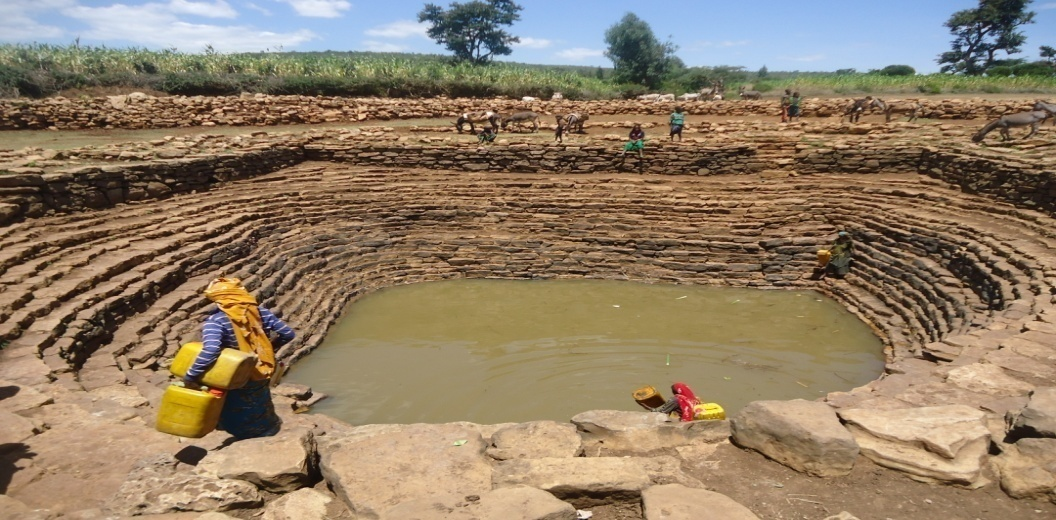
This stream is among the historically human-made water sources.
According to local stories, a man named Obbo ____________ used to
farm in that area. One day, while plowing his field, his ox stopped
to rest and catch its breath. During that moment, the ox—driven by
thirst—wandered away and entered a hollow or soft land.
The owner followed the ox out of curiosity and saw that it repeatedly
entered the same hollow area whenever unyoked. When he examined the
spot, he found a damp patch and eventually followed the ox's path into a dense forest, where he looked down and discovered a spring of water. Realizing the water source, he exclaimed that the ox had been leading him there all along.
He returned to the village of Goraa and shared his discovery,
calling upon neighbors to come and dig a water well or reservoir (known as eela) to make use of the water. The villagers slaughtered the ox in celebration and dug a large well, beautifully designed and spacious.
Attractiveness of the Site
The design of this water source is particularly remarkable.
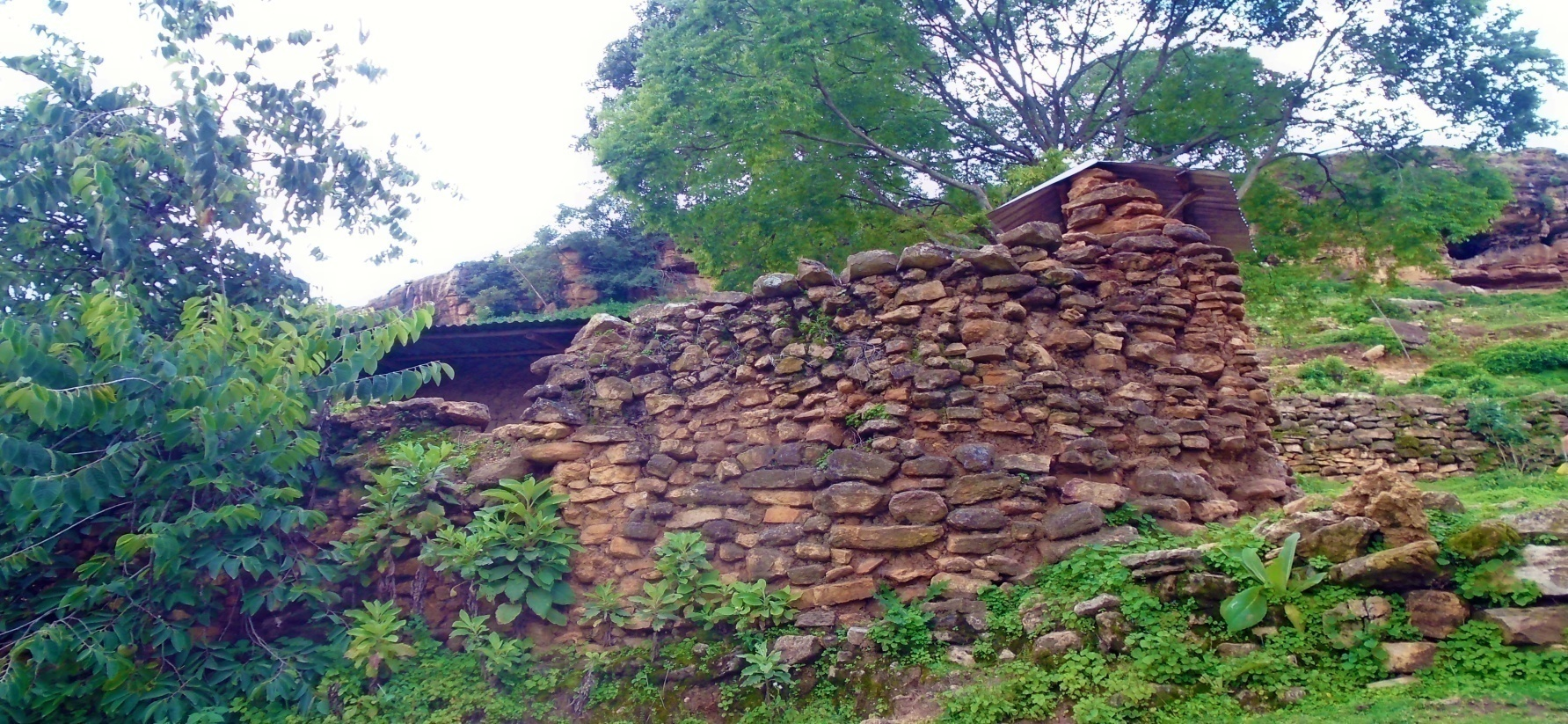
It is constructed with layered stones from bottom to top, and
elders estimate its origin dates back approximately 600 years.
After Obbo ____________ initiated the digging, another man named
Sheikh Zayid took over and expanded it further,
making it usable by people and animals alike.
The structure was professionally designed—narrow at
the bottom, wider at the top, and shaped like a bowl.
Water still flows beneath it to this day.
During the dry season, the water level drops and is visible.
In the rainy season, when heavy rains fall, it overflows from
the top. According to local elders, various items such as oranges,
bottled water, insects, and even pens float to the surface during
this time, making the site particularly fascinating.
When elders gather to discuss agricultural bounty, they often say:
“When Laga Gola Waddeeysa overflows from the top, Fadis District become
prospers.” Even today, this spring is referenced by meteorological
predictions.
Current Conditions
Basic infrastructure to the site is available, but it needs renovation.
G. Gafra Burke Cave
These sacred rocks with inscriptions are located in Gafra Burkaa village,
Gurawaa District. They are situated in a place called Gare Bajity and
Gola Gayya. The site is about 90 kilometers from the zonal capital and 15
kilometers from the district town.
What makes these sacred rocks fascinating is the presence of various
inscriptions and images (pastoral rock paintings) made by ancient people.
Additionally, the topography of the area where these sacred rocks are
found is visually captivating and draws interest.
H. Copha Cave
Cophaa Cave is a fascinating natural site located in the East Hararghe
region,
specifically in the Kombolcha district, between Iftuha and
Lege Hama kebele. The site is situated 565 km from main district town,
40 km
from Harar, and 24 km from Melka Rafu, making it a remote yet
notable destination.
What makes Cophaa Cave so remarkable is its unique geological and
natural features.
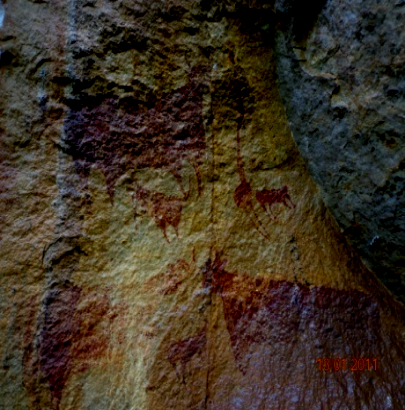
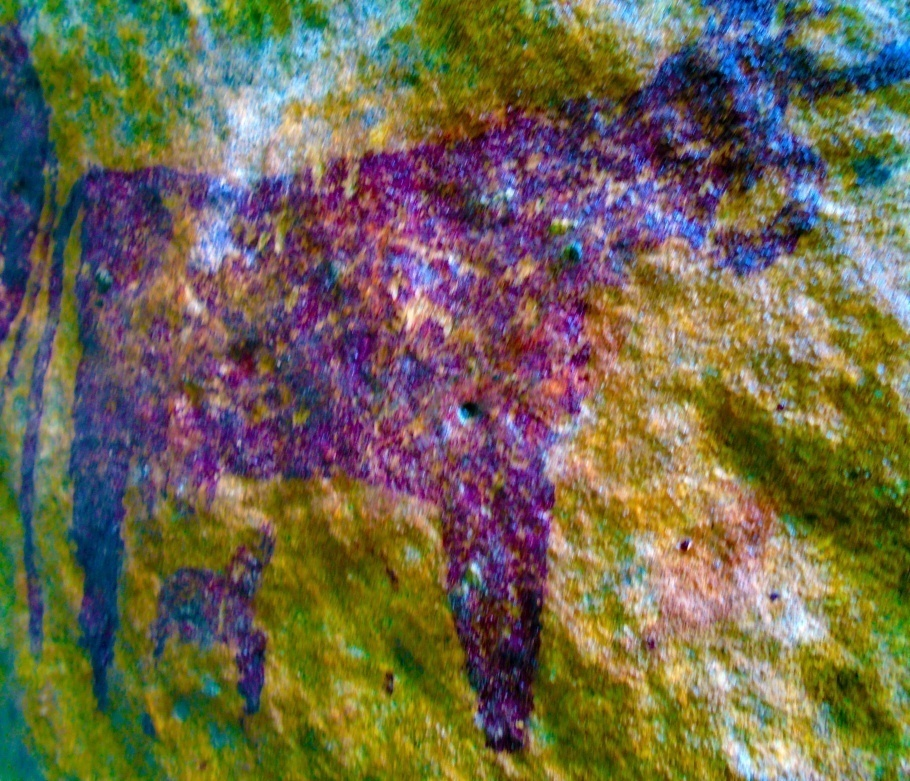
The site contains a variety of rock formations, including images of
cattle (Sa’aa/loon) and child-like figures painted in red, suggesting
a long history of use and cultural significance.
These paintings are thought to have been created in ancient times,
and their distinct red coloration and subject matter make them a
fascinating subject for study and exploration.
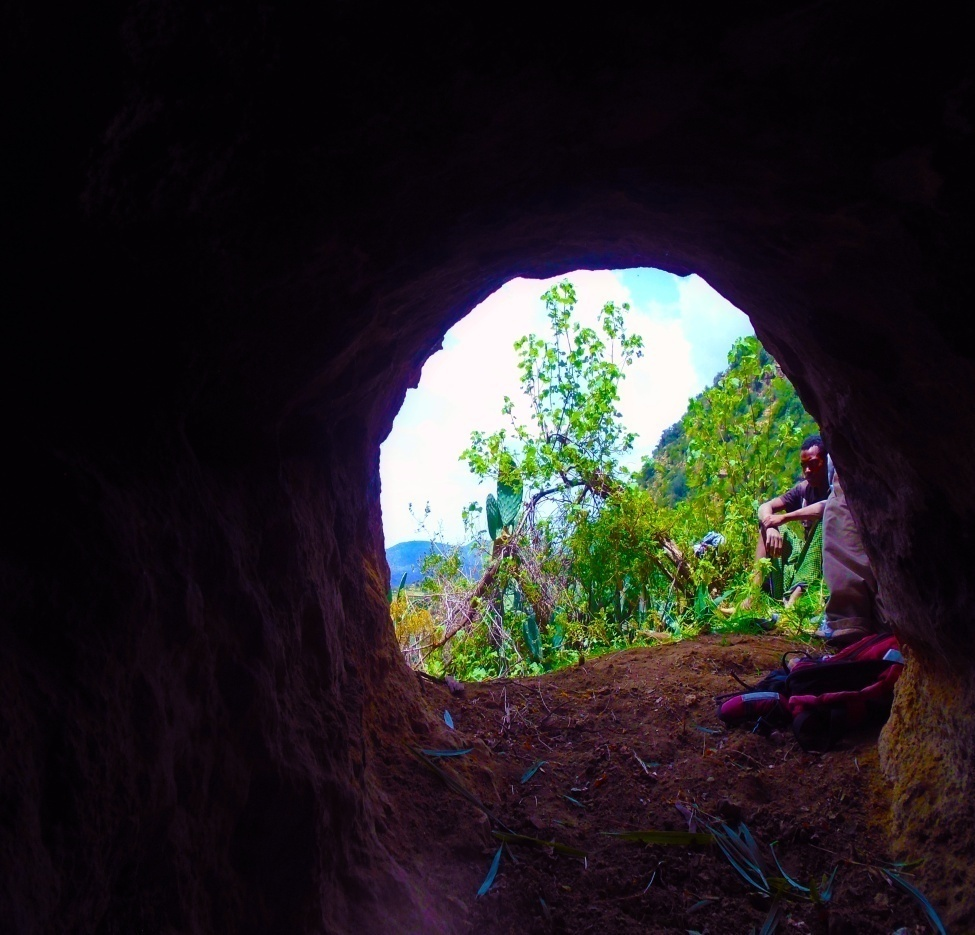
Inside the cave, there are small passage ways (referred to as mucha)
that
allow visitors to move through the site, providing a sense of
adventure and connection to the past. However,
reaching the cave requires some effort, as the
journey involves a significant distance on foot, and there is
no convenient route by vehicle. This adds to the challenge of visiting the site, making it less accessible for casual tourists.
Despite its remoteness and the physical demands of getting there,
Copha Cave is recognized by experts in the field of archaeology
and geology for its historical importance, as it offers a glimpse
into the ancient cultures of the area. However, due to the lack
of proper infrastructure, the site may not be ideal for those
looking for easy access.
I. Sanga Cave
Sanga Cave is a natural rock formation that contains
numerous ancient
inscriptions, various images, and traditional ink paintings.
This rock is located in East Hararghe, in Kurfa challei
District,
within the Gudina Mullisa locality, about 5.5 km away from
the
district's main town.
What makes this rock unique compared to others is its
decoration with images of various animals, as well as its
use of different types of inscriptions.
This site has been studied by national researchers and is
valuable for tourism purposes.
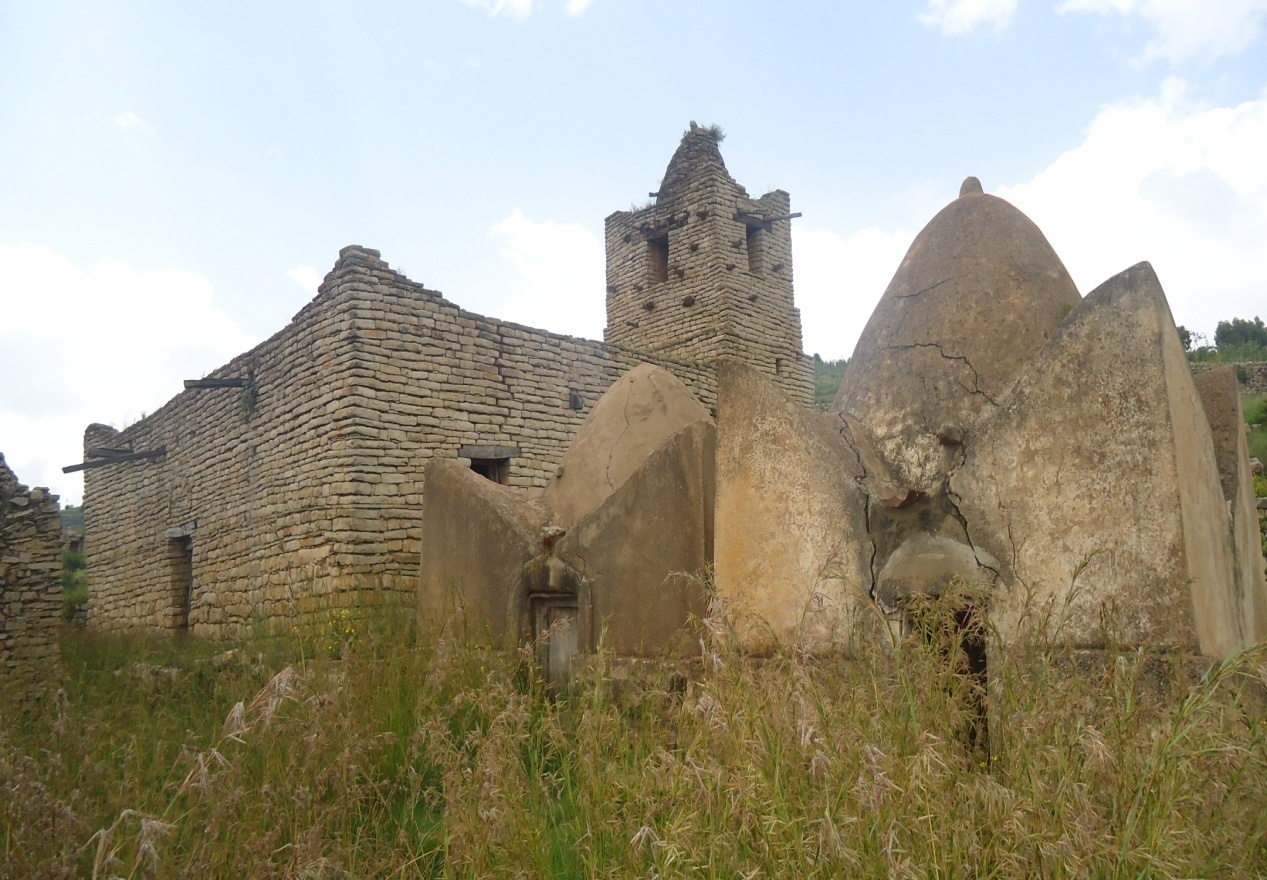
J. Masgiida Turkii (The Turkish Mosque)
This mosque is located in East Hararghe Zone, Kombolcha District,
Bilisumma kebele.Distance: 543 km from Addis Ababa,
18 km from Harar, 2 km from
Melka Rafu town.
It was built during the reign of Ahmad Gurey (Ahmad ibn Ibrahim al-Ghazi).
Constructed by Turkish Muslims and scholars to promote Islam.
Historical Context:
The Turkish came to Ethiopia due to religious conflicts between
Islamic and Christian empires.Turkey supported the Islamic kingdom, while Portugal supported the
Christians.The Turkish government built strong ties with the people of Harar.
They spread Islam to rural areas, especially among non-believers
and animist groups.
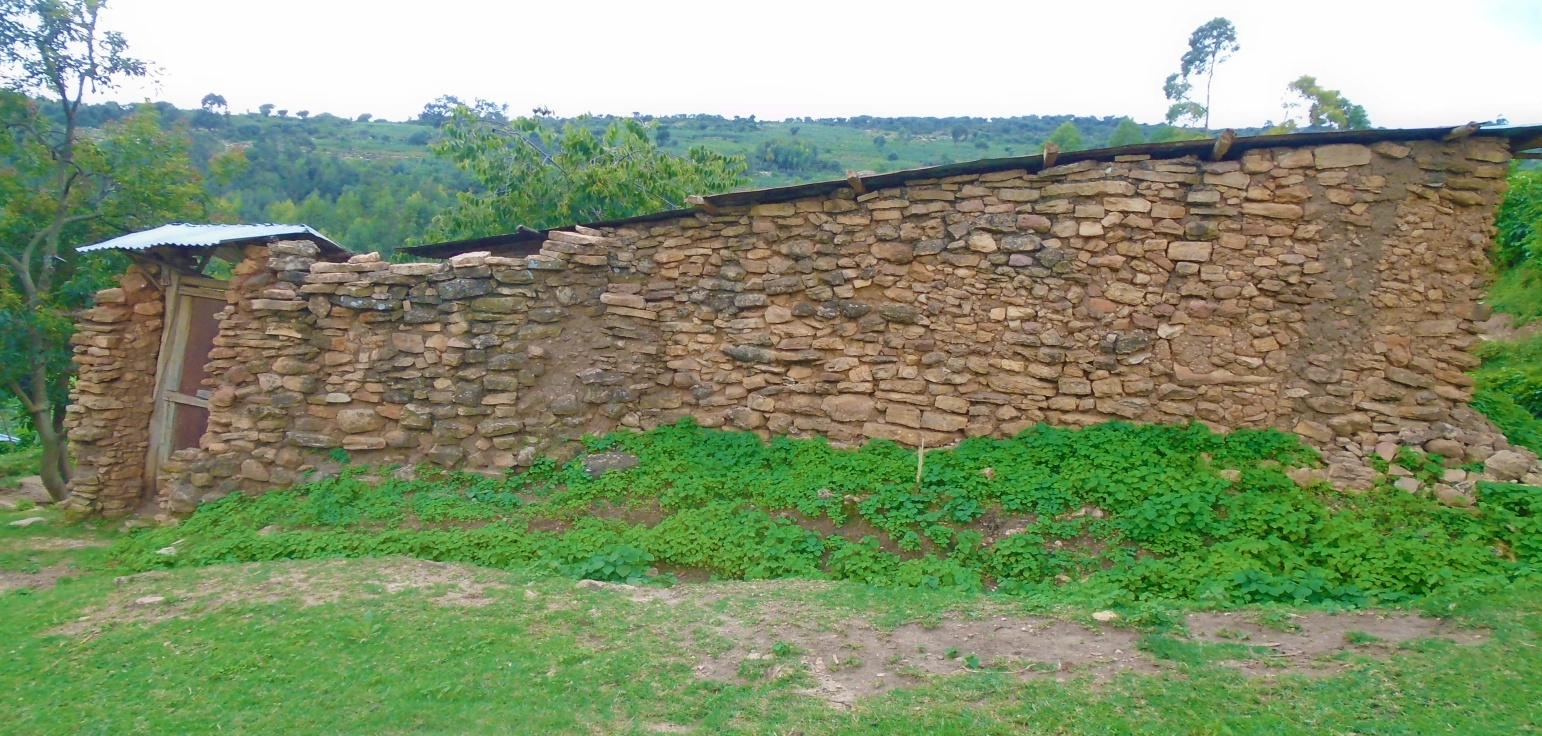
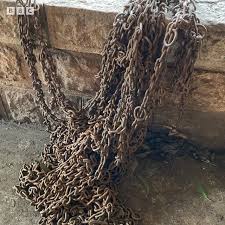
K. Lij Iyasu's Prison House
Lij Iyasu came to power after the death of his grandfather, Emperor Menelik.
He ruled the country from 1913 to 1936. However, due to a complete loss of
support from the nobles of Shewa, he was deposed.
After being captured,
he was first imprisoned in the northern Shewa area of Fiche, and later
transferred to Gara Mulata and detained in a place prepared for him in the
town of Gurawa, where he remained imprisoned until his death. It is
believed that the purpose of bringing him to this location was to keep him
far from Wollo, the region his father used to govern.
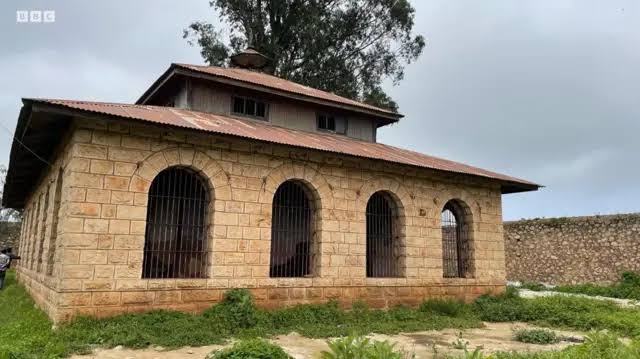
According to written
records, this prison was constructed under the order of Emperor Haile
Selassie by Armenian professionals. The structure of this house is
considered architecturally remarkable, making it a valuable site for those
interested in Ethiopian history and also serving as a tourist attraction
L. Kulullitty Village
Located in Fadis district, Melka area. It is rich in long-standing
oral history and connected to the sacred Kellu heritage of the Oromo
people.
Features include ancient homes, five archways, traditional defensive
structures, and historic stone paths; it is former seat of the Kellu
leadership, with remnants stil visible today.
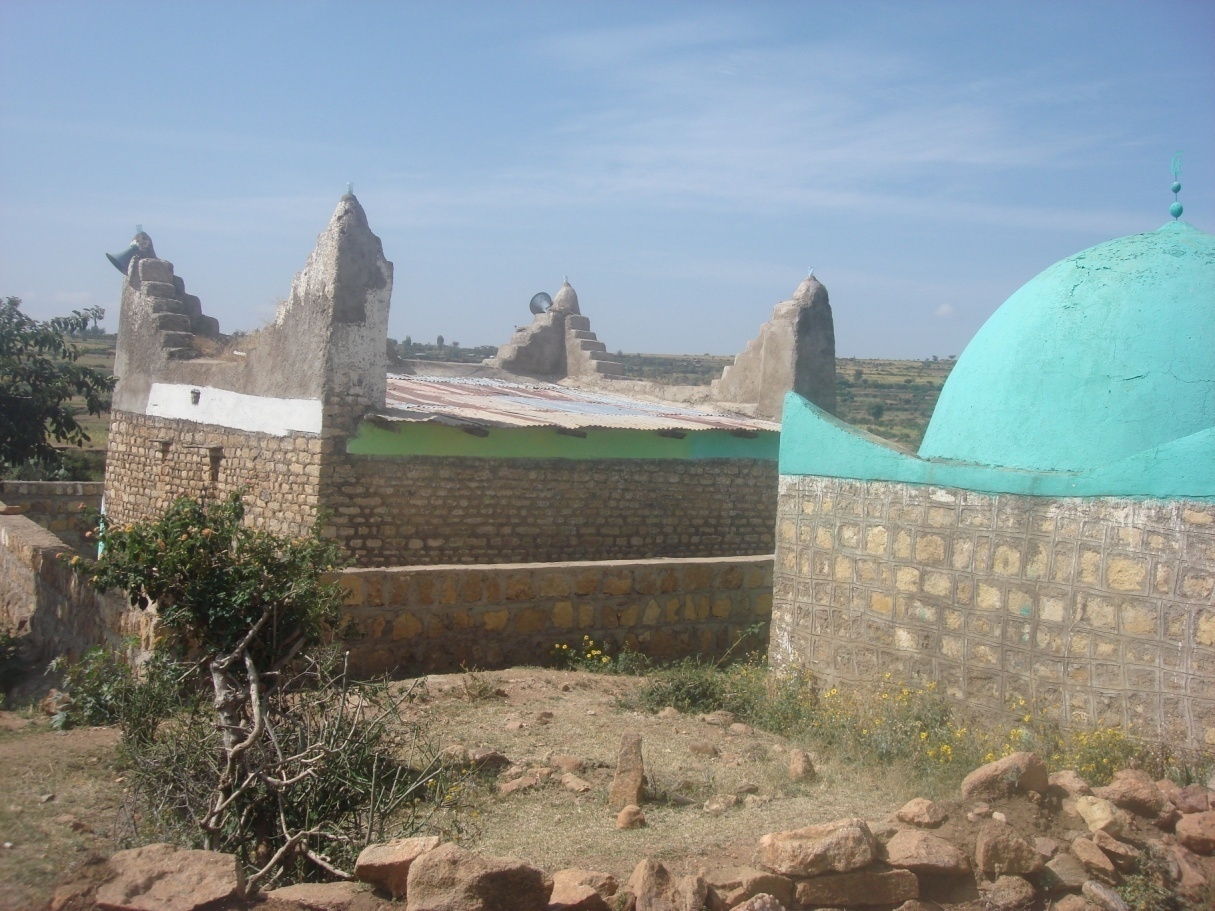
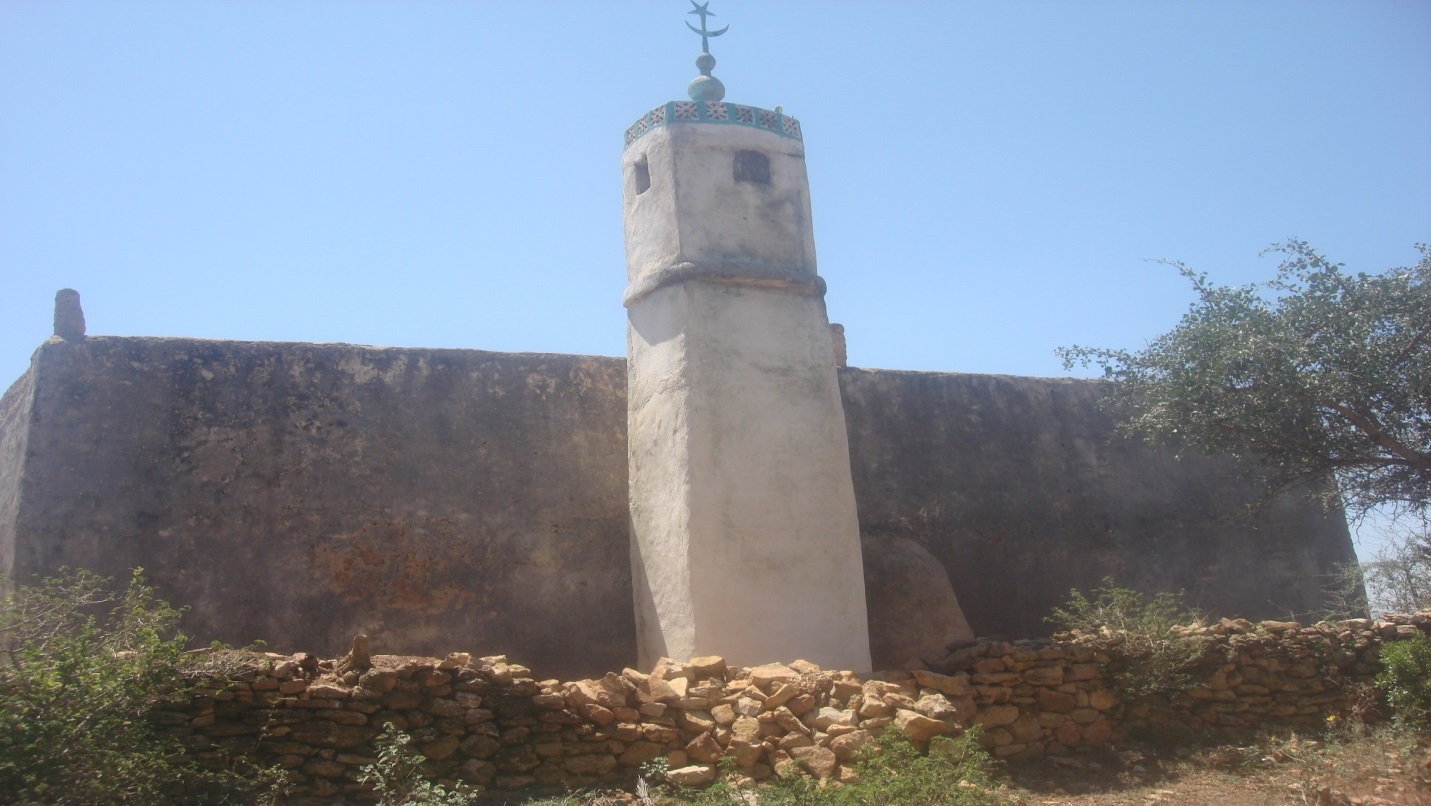
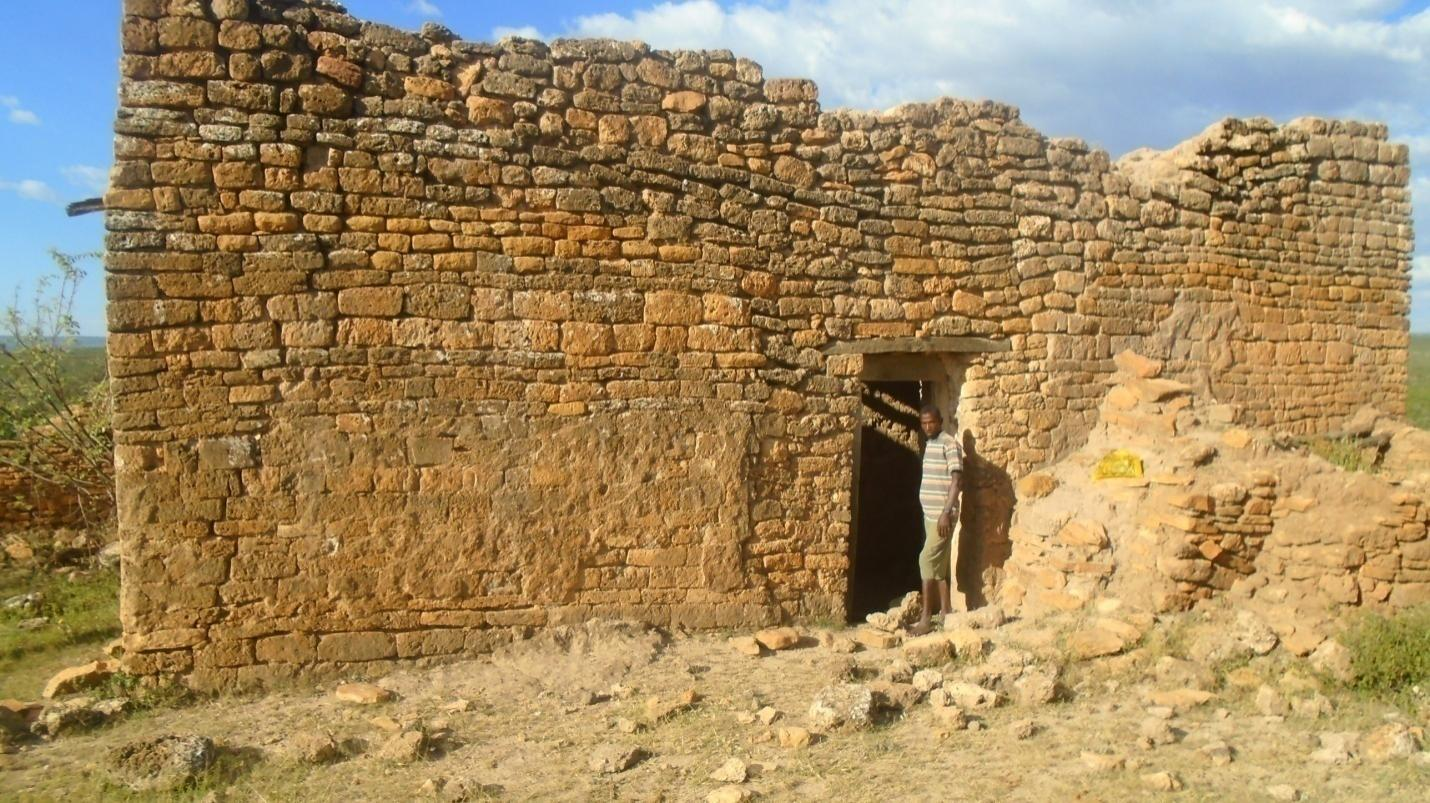
M. Akudore Mosque
Akudore Mosque is located in the Akudore area of Fadis Woreda.
According to the oral history passed down by elders, the mosque was
built approximately 600 years ago.
It was constructed during the Geda Rabe Dory era,
right after the Islamic religion began to spread in Oromia
and Harari regions. People from different parts of these areas
used to come to this place to preach Islam, particularly a
group known as Ahmad Bedelwiy.
The mosque was built alone on a mountain top.
Due to its ancient
construction, the upper part of the building was made in a traditional
style.During the Somali war, it is said that a person was inside the
mosque when the upper part was bombarded by artillery.
Later, after the Ahmad Bedelwiy era, a man known as Akudore Waliy
settled in the area, and since then, annual religious celebrations
such as Hadraa and Mawlid (the Prophet’s birthday) have been held there.
In general, because of its long history, this mosque requires thorough
research by professional researchers.
It is also known that prior to the arrival of the Ahmad Bedelwiy
group, a religious scholar named Sheikh Hussein came from the Bale
region to this area and taught Islam to the local people.
Its Remarkable Features
1. The architectural style of this mosque is highly captivating.
2. It was built by well-known and respected individuals.
3. In its surrounding area, there are the graves of prominent historical
figures — specifically six individuals from the Ahmad Bedelwiy
community — who made great contributions and left a significant legacy.
4. Their work had a profound impact, especially on the local Herella
people and their descendants today.
5. These graves are impressively constructed with stone and are truly
fascinating to see.
6. Additionally, next to the mosque, there was an inscription in
Arabic engraved into the ground, which used to be visible.
However, it is now covered by soil, plants, and stones, making it
hidden from view.
N. Umar Cave:
Umar Cave is another notable natural cave located in East Hararghe
Zone
specifically in Fadis district, within Akudore kebele, near the
Laga Gobeillei forest area. This cave is situated 8 km away from
the town of the
district. The site is accessible by 3 km of walking from
the nearest road.
Like many other caves in the region, Umar Cave is home to numerous rock
paintings and ancient artwork that offer important insights into the
cultural history of the area. These images, drawn with natural pigments,
include depictions of animals, humans, and symbolic representations,
showcasing the creativity and beliefs of ancient societies.
The cave is not just a natural feature but a historical and cultural
treasure, offering visitors a chance to explore the rich heritage of the
region.
O. Kullubby Gabriel Church
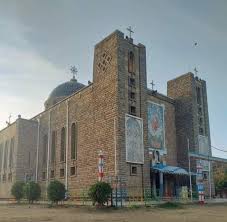
Kullubby Gabriel Church is one of the well-known pilgrimage sites
located in the
Meitta district. It is situated 464 kilometers from Addis Ababa and
62 kilometers from the city of Harar, in the town of Kullubby.
This
religious site is highly renowned in Ethiopia, and a major festival
is
held there twice a year for followers of the Orthodox faith.
The celebrations take place on July 26 (Hamle 19) and December 28
(Tahsas 19), and are conducted with great reverence.
During these
festivals, tens of thousands of religious pilgrims from across the
country and gather and participate in the event.
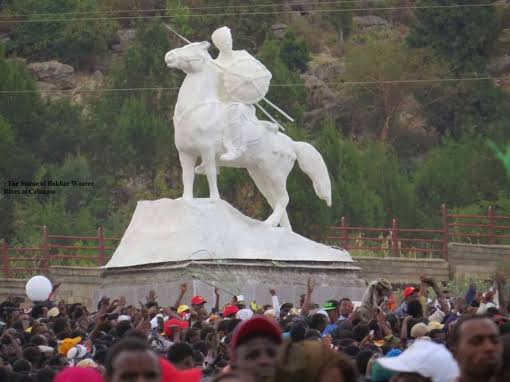
P. Chelenko Martyrs Monument
Human beings are honored for fighting and sacrificing their lives for
justice, resistance, and freedom. The Oromo people, as a community with a
rich history and experience, also commemorate such sacrifices.
One of the
most significant historical events that showcases the Oromo people's
struggle against oppression is the Battle of Chelenko.
This monument is located in the Meitta district and was built in
memory of
those who died in the resistance war against the oppressive Naftagn system
of Emperor Menelik around the year 1887.
The Calanqoo Martyrs Monument stands 73 kilometers from the city of Harar
and 482 kilometers from the capital city, Addis Ababa.
Q. Historical Remnant: Mount Awunugus
This site is located in East Hararghe Zone, in Kombolcha Woreda,
Keirrensa locality. It lies 553 km from the capital city Addis Ababa,
28 km from the zonal capital, and 12 km from the district center Melka Rafu.
THE STORY OF AWUNUGUS
This history begins in the year 1559 during the reign of Emir Nur. At that time, there were various conflicts, among which the major one related to this story was the clash between Emir Nur and the Christian kingdom led by King Galawdewos.
Before launching the war, Emir Nur sought spiritual support for victory. He approached well-known holy men (Awliyas) of the time. Among 44 Awliyas known to exist during the time, except one named Awunugus, Emir Nur found 43 of them.The almost all 43 of Awliyas advised Emir Nur to seek out this man, Awunugus, who lived in Samtei area, a locality in Kombolcha Woreda.
Emir Nur summoned Awunugus and requested his blessing to win the battle.
Awunugus responded: "You will win the war, but you must promise to give me the royal horse and the precious finger ring (Hamartii) of the enemy king." Emir Nur Then Emir Nur agreed.
As foretold, Emir Nur went with his army to the battlefield at a placecalled Awash Valley, where he killed King Galawdewos and took his horse and precious finger ring(queen).
However, Emir Nur later regretted giving the horse and queen to Awunugus and chose to kill the horse instead.
Awunugus, aware of Emir Nur's betrayal and then by using his spiritual power, he took the queen from Emir Nur. Emir Nur Realized that he had lost the queen and became
remorseful and sought forgiveness from Awunugus.
But Awunugus fled from him, climbing a series of mountains to escape.
Even so, Emir Nur continued pursuing him. Awunugus then reached Tullu
Rifeinsa(Hair Hill) where he trimmed his hair, and from there he moved
into a dense forest.
At that point, Emir Nur’s army intensified their chase and surrounded him. When Awunugus reached the next hilltop, they blocked all escape routes. So he vanished into the earth at that very spot.
Seeing this miracle, Emir Nur and his army were filled with grief and
pleaded for forgiveness from Awunugus.
From then on, the mountain was named Tulluu Awunugus in his honor. Later, Emir Nur brought stones from a
place called Berek and built a dome-like structure (qubba) at the site
to commemorate him.
Continuation of the Ritual Appointments and Ziarra Ceremonies
After that, a person who is pure and dedicated to God (a Kallu, known as Lazzime) was appointed as the spiritual guardian of the place. From that point on, seven people served in that role, namely:
1. Laazzim Hassan Bashir
2. Hassan Bashir Shimbiro
3. Yusuf
4. Abdullay
5. Abdurahman
6. Abrahim
7. Abdurahman Hasson
This spiritual Qaalluu (Shanyi Shariifaa) gave orders for regular prayer ceremonies to be conducted. He also instructed the people living in the surrounding area to pray together with him. After this, people from various regions began to gather and pray during that sacred time, saying:
“O Awnuguus, if your spirit has descended to earth, come to
us and be with your beloved.”
Awnuguus Hill
The Tulluu Awnuguus (Awnuguus Hill) is located in a place surrounded by three sacred locations:
The first area includes seven houses, two mosques, and a sacred site.
The second area contains only a large mosque.The third area has
a small central dome located nearby.
Ziarra Week (Torban Ziarra)
Torban Ziarra refers to a dedicated week for spiritual visitation and prayer, especially held on Thursdays and Fridays.Reasons for Holding Ziarra:
1. Urgent personal problems
2. Earthquakes or land disturbances
3. Drought or famine
Ziarra Months (Ji’oota Ziarra)
There are four months throughout the year where Ziarra
(visitation prayers) are conducted:
A. Jimat Barkalee
This is one of the Ziarra Fridays in which various prayers are held.
These include:
1. Prayers for rain
2. Prayers for a year of peace and abundance
3. Common foods prepared include:Shuumoo
(a traditional dish made and shared) Special offerings are made to
ensure no harm comes to people birds, and everyone is fed.
B. Ashuuraa,
Held in a spiritually powerful manner, with carefully prepared food:
Prayers for the birth of livestock, protection from illness and calamity, and blessings upon children. A traditional chant:
“O Awnuguus, we call your name; O Father of Wisdom,
no harm has befallen us.”A thick porridge (shuuroo/marqaa) is prepared in large quantities.
Leftover food is shared with both people and wild animals.
C. Mowluuda
This is the most beloved and eagerly awaited month. It honors the birth of the Prophet Muhammad (PBUH). Celebrations include:Ritual ceremonies at nightSlaughtering of animals like cows, camels, goats, and sheep On this day, the main dish consumed is meat. Chants during this celebration include:“Murammed Salla Murammed” (x2)
“Ya Habiballah Murammed” (x2)
D. Lookoo Amataa
As the name suggests, this event encompasses all Ziarra ceremonies
held throughout the year. All the special foods prepared for other
Ziarra days are made again during this event.
Ziarra Attendants (Tajaajiltoota Ziarra)
These are people who serve and welcome pilgrims during Ziarra in
various roles.
Kaddamtuu
Derived from Arabic, meaning a female host or spiritual attendant.
These attendants are not appointed by anyone but declare themselves as
servers of the place. For example, someone might come to the site with a
personal issue and declare:“I come to you to resolve this problem;
I commit myself to serve here.”
After finding relief or healing, they begin to serve the site regularly.
Men's Roles
1. Fetching water
2. Cutting wood and incense
3. Slaughtering animals
4. Cooking and feeding people
5. Delivering messages
6. Traveling to town to buy items like gas, oil, and salt
Women’s Roles:
1. Cleaning houses and surroundings
2. Scenting homes with incense like liban, ud, and musk
3. Serving guests, especially women and children
4. Providing food, drinks, seating, and sleeping arrangements
Gumaachiftuu (Contributors)
As the name implies, Gumaachiftuu are people who go
around collecting needed items from the local community f
or Ziarra events. Based on the type of Ziarra, they collect:
Men’s Contributions:
Various grains, Meat or livestock, Khat and money
Women’s Contributions:
Milk, Coffee and prepared foods and all these items
are used by the event organizers and shared with attendees.
Dargaa (Advanced Servant Rank)
A Dargaa is someone who has served as an attendant for a long time and is promoted. Their role expands to:
Traveling across the region to support people with mental health issues or personal crises Helping or guiding those who wish to travel to Awnuguus
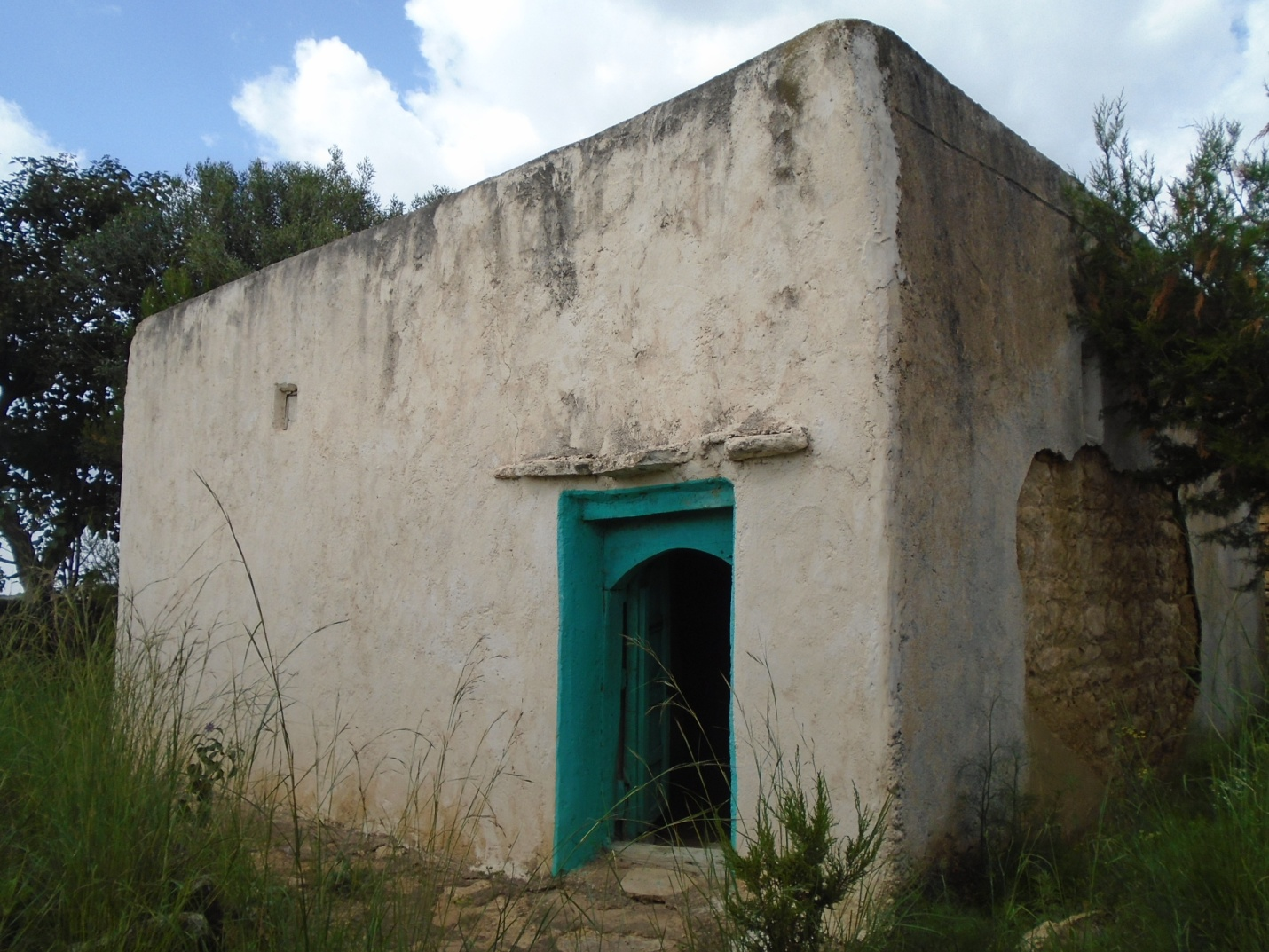
2.2. Tangible Cultural Heritage
A. Farm Tools
Nuguya
.jpg)
Harqoota
.jpg)
Hakaafaa
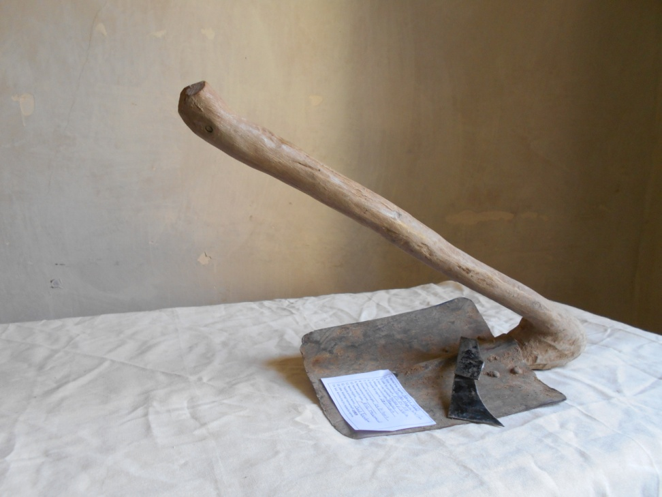
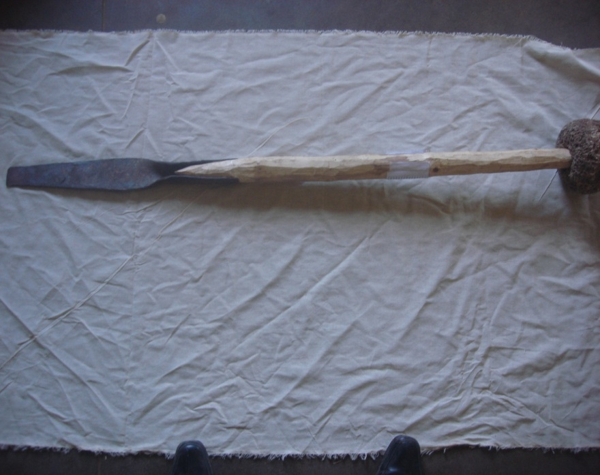
Dongoraa
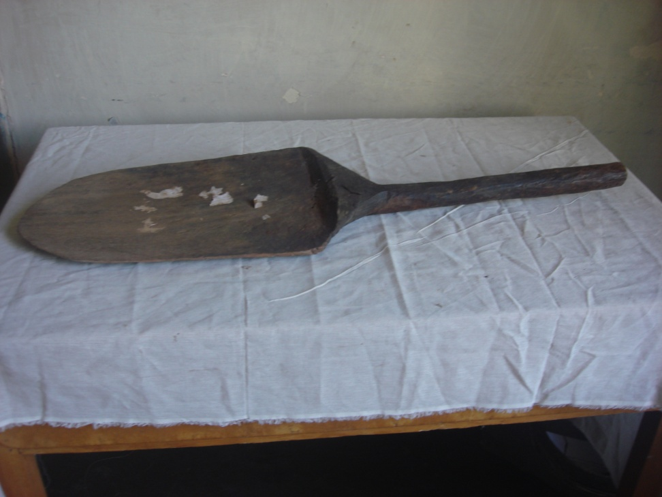
Mashawaraa
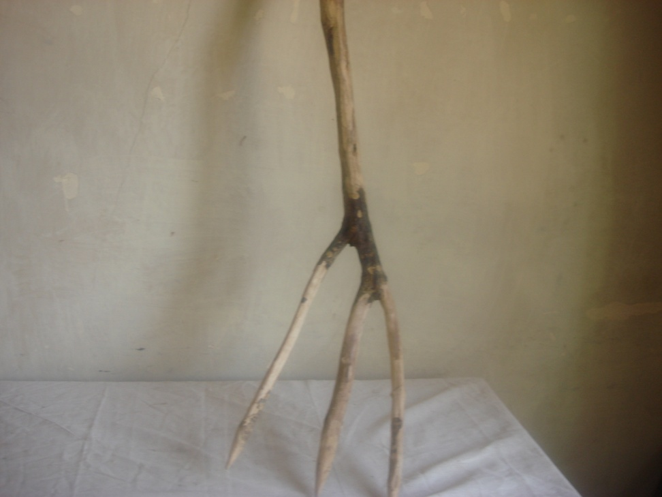
Mashii
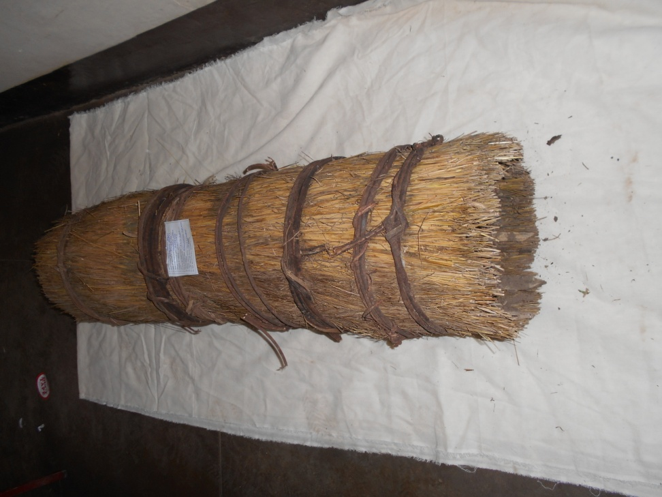
Gaagura
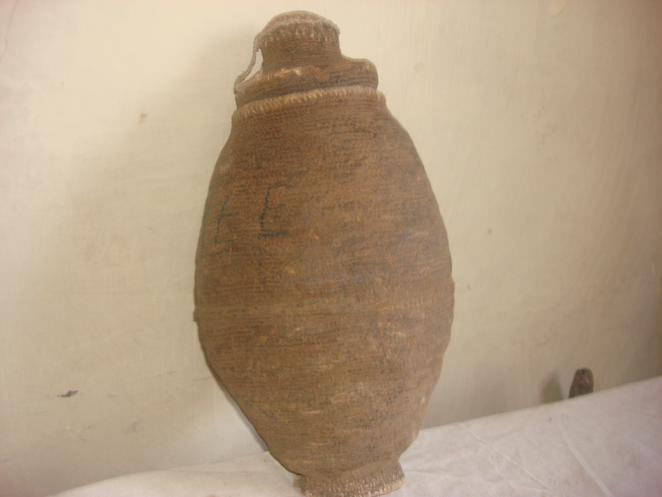
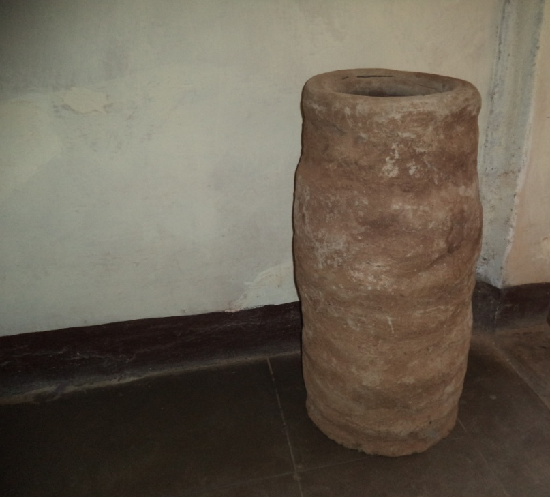
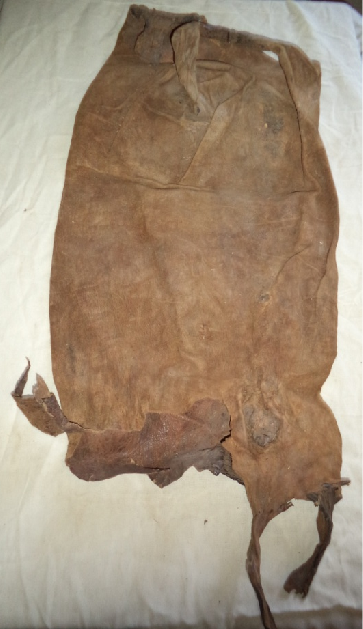
B. Container
Daarota
Taguuga
Qanqalloo
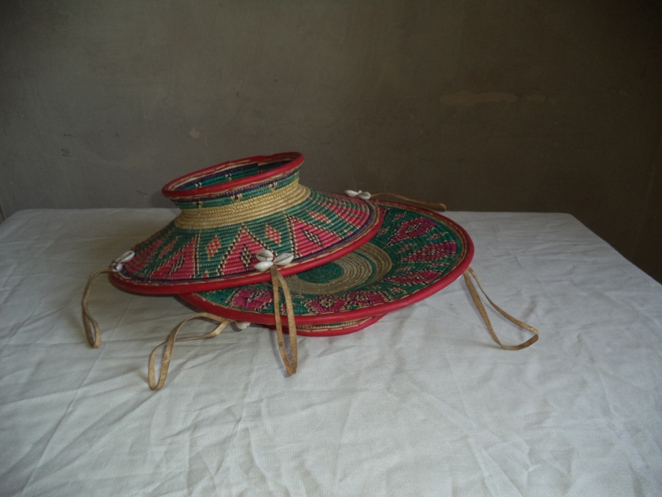
C. Funitures
Qalamshiisha
Hankaa
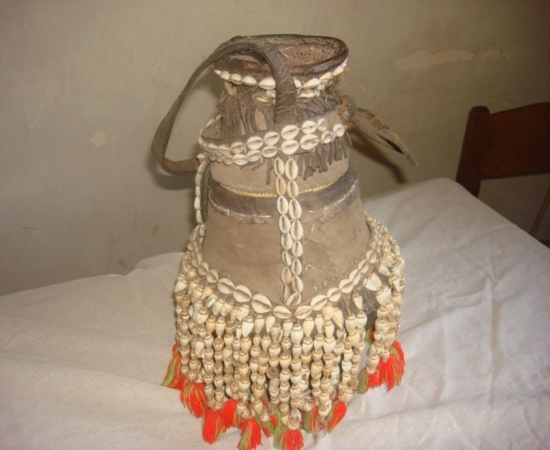
Wiissaa
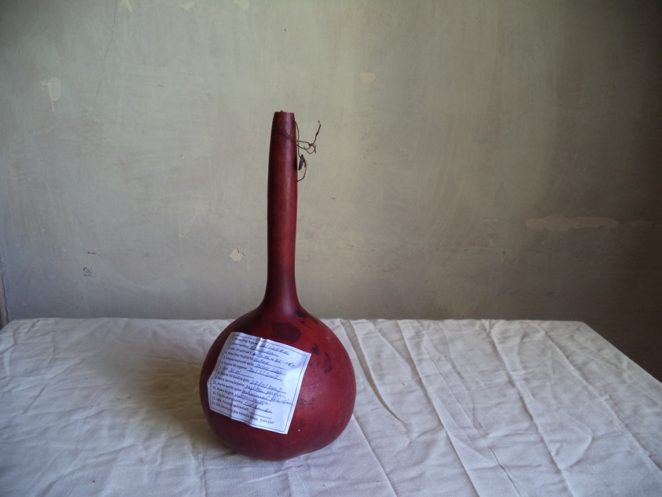
Baarree fi Mastii
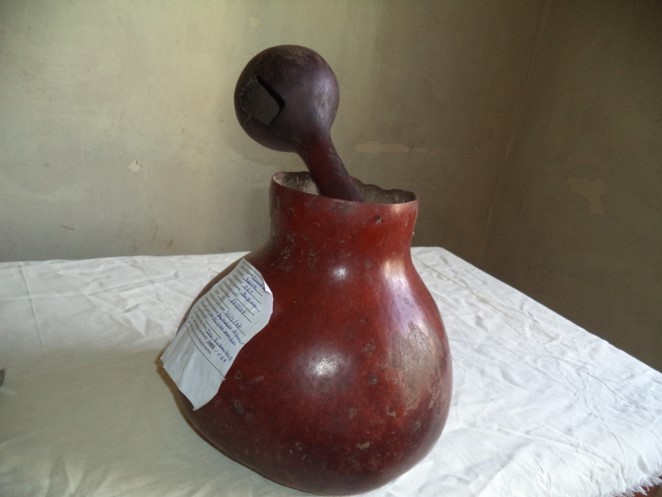
Buchuma Elellee
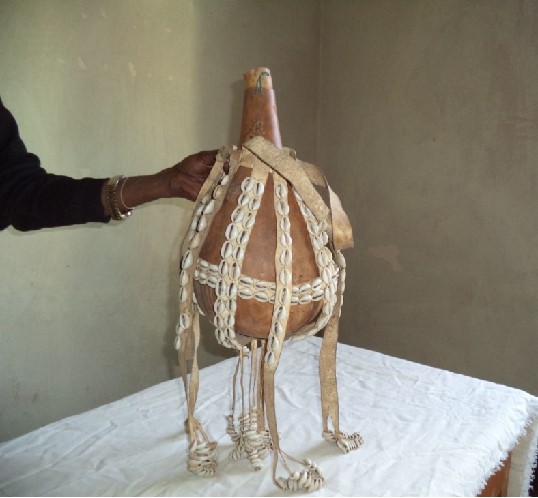
Shaqadii
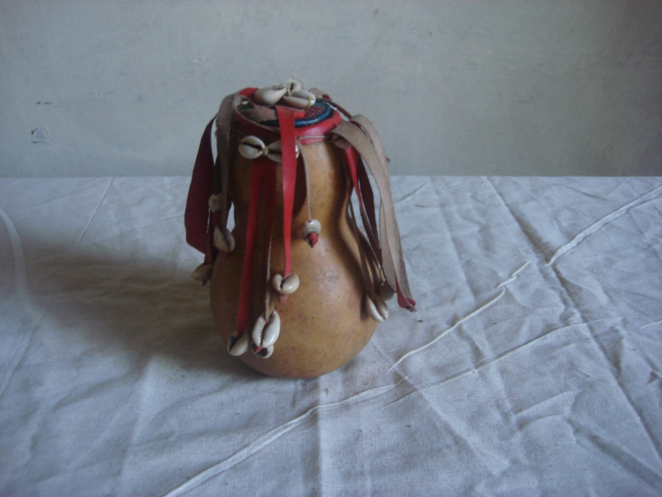
Mooyyee Jimaa
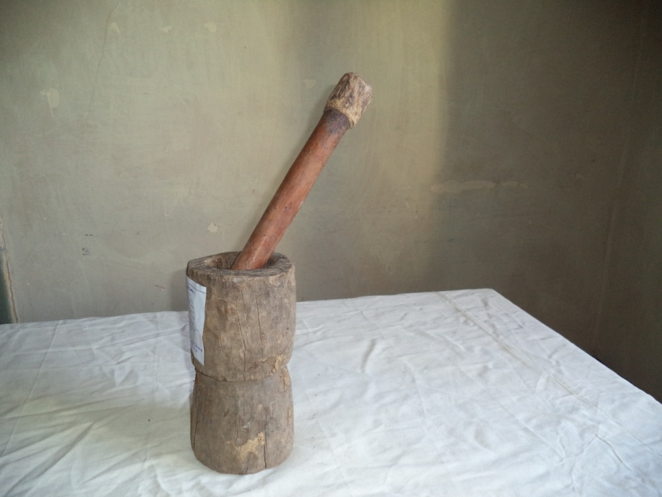
Mooyyee Midhaanii
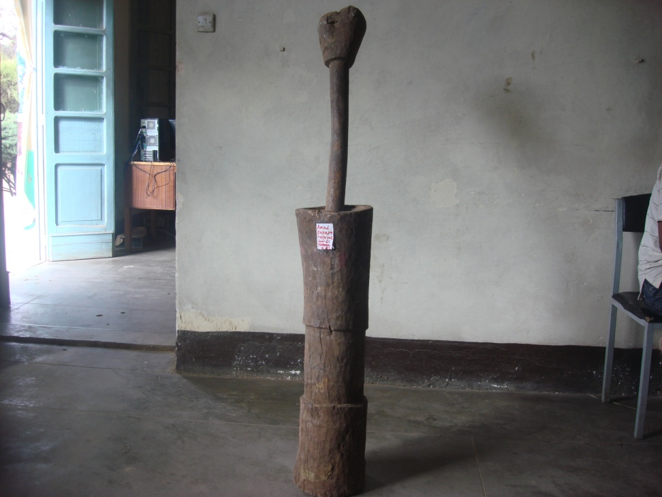
Geeba Hoojjaa
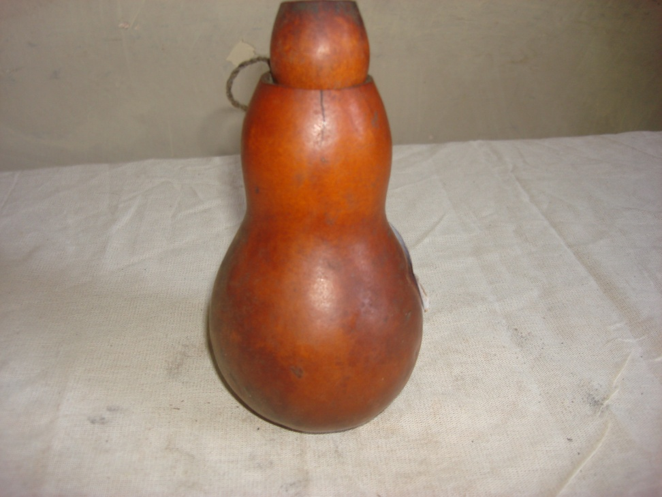
Filaa Dardaraa
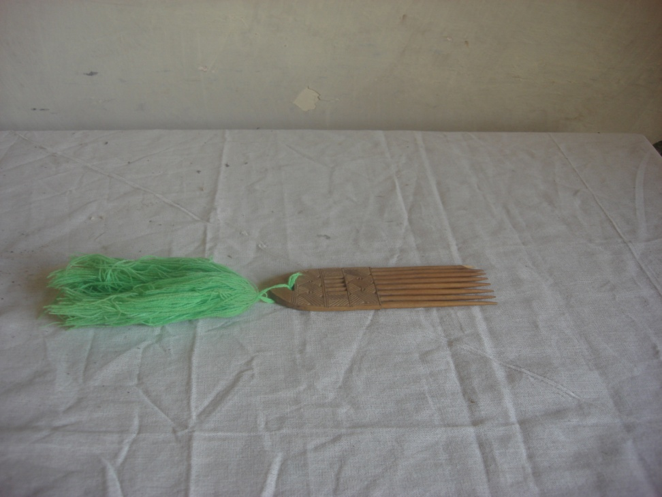
Filaa Dubartii
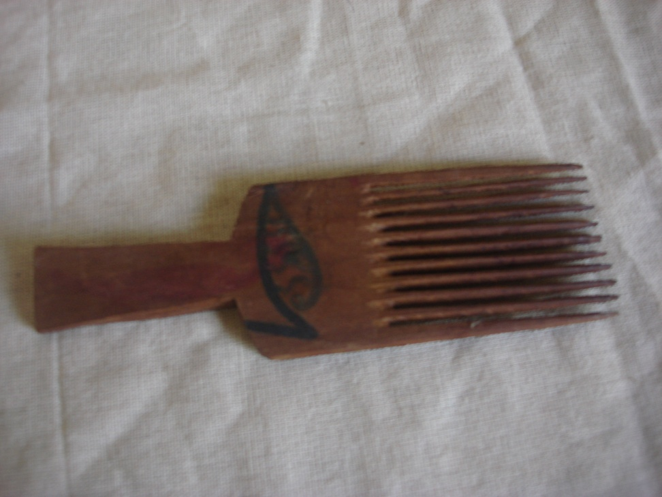
Fallaana
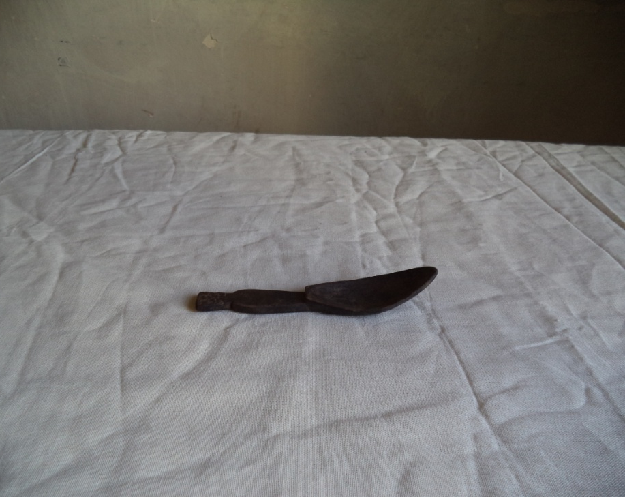
Fallaana Booqaa
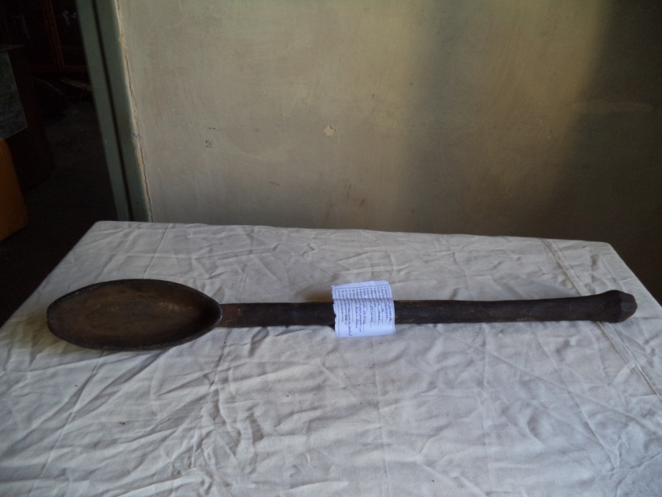
Halangaa
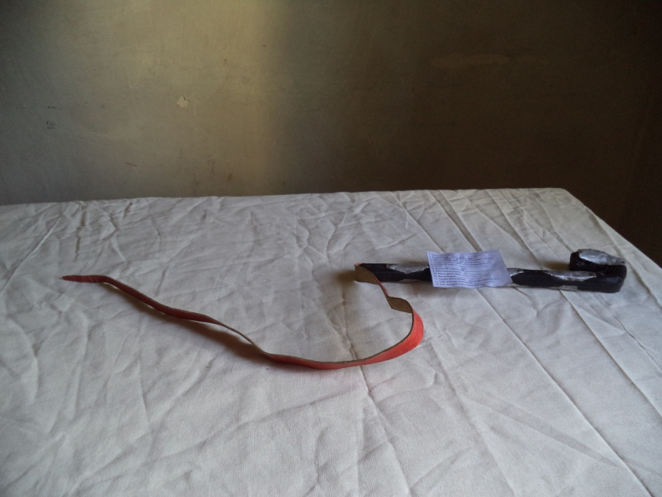
Mutaa
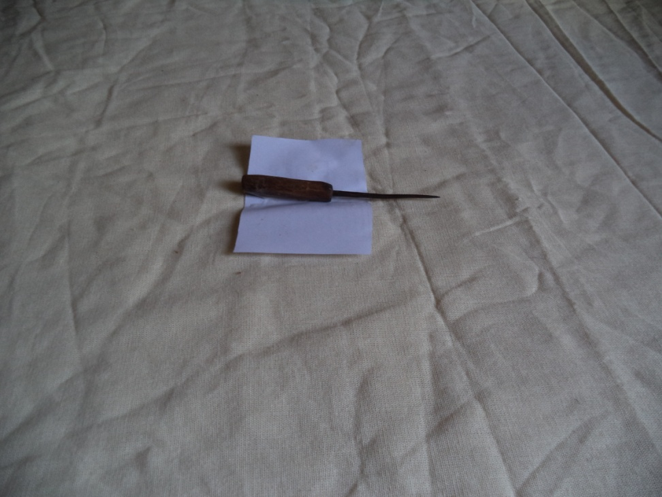
Shafii Afuuftuu
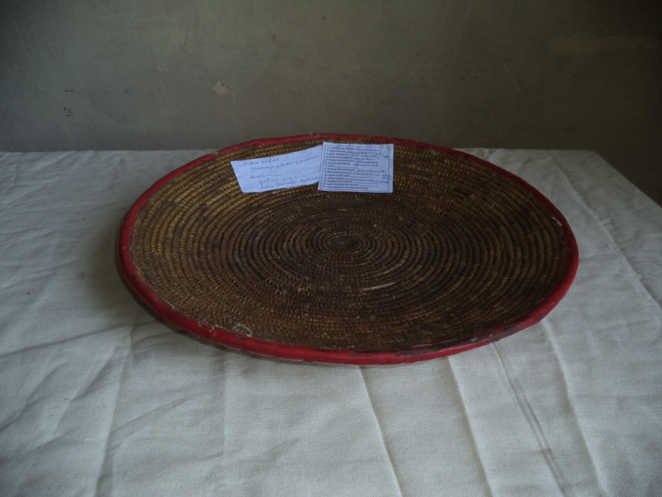
Gingilii
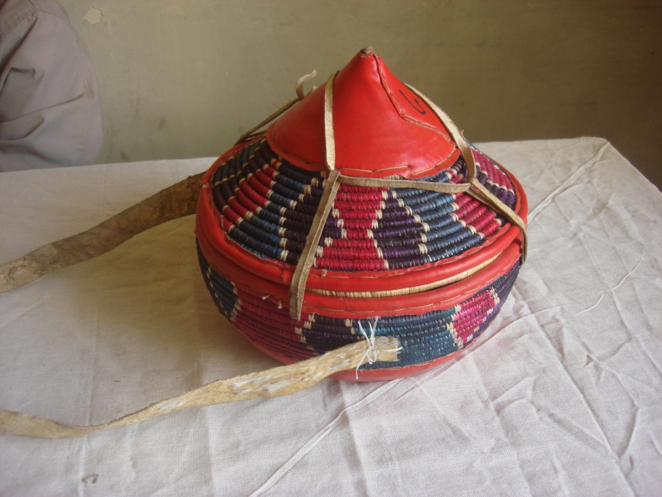
Gingilchaa
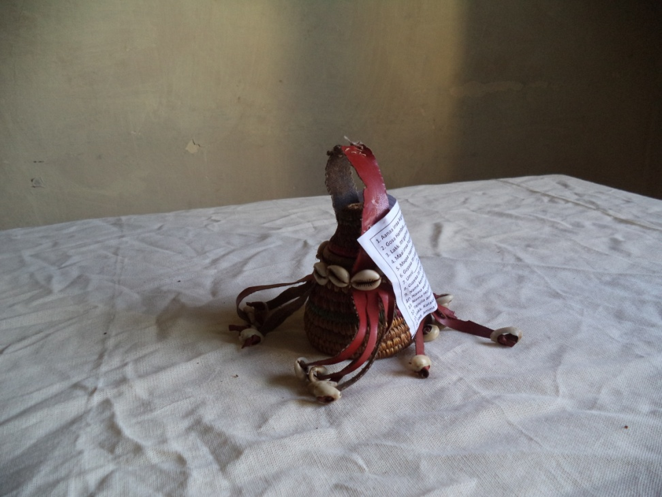
Qibaaba
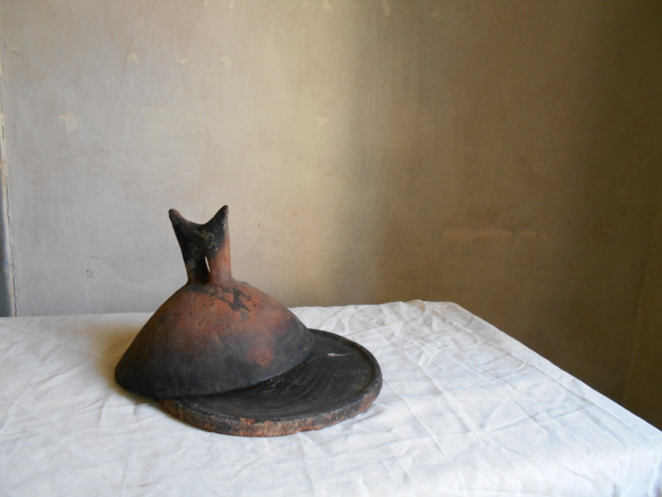
Okaatii Manaa
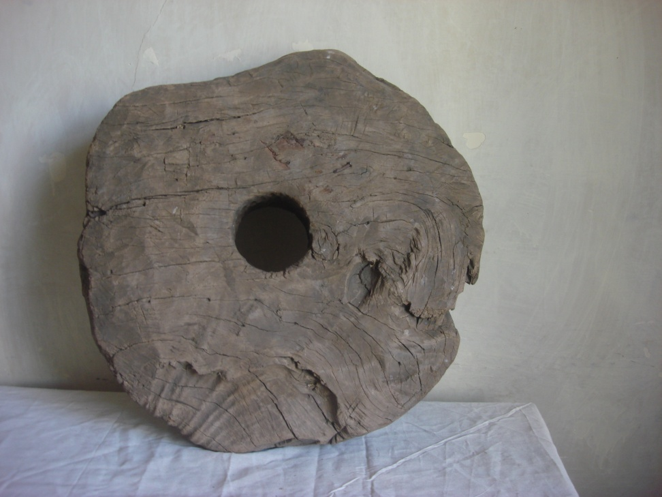
Qalamshiisha
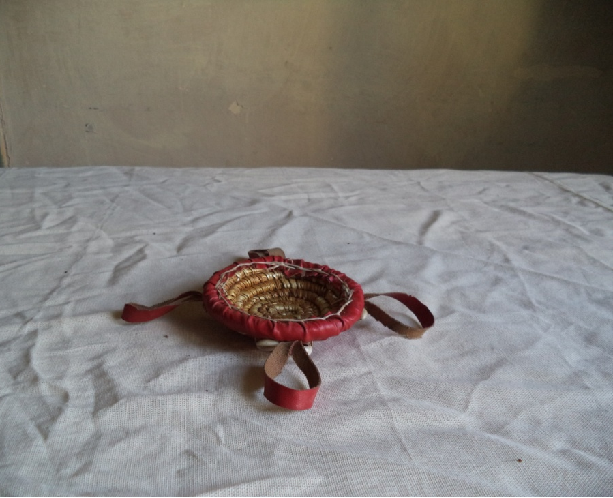
Barcuma
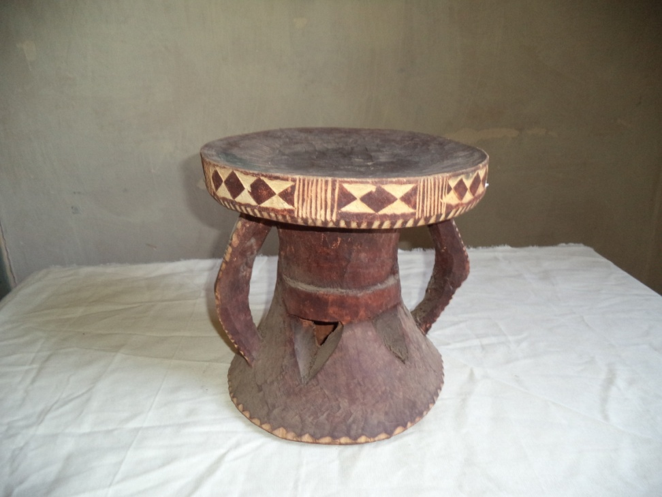
Gingilii
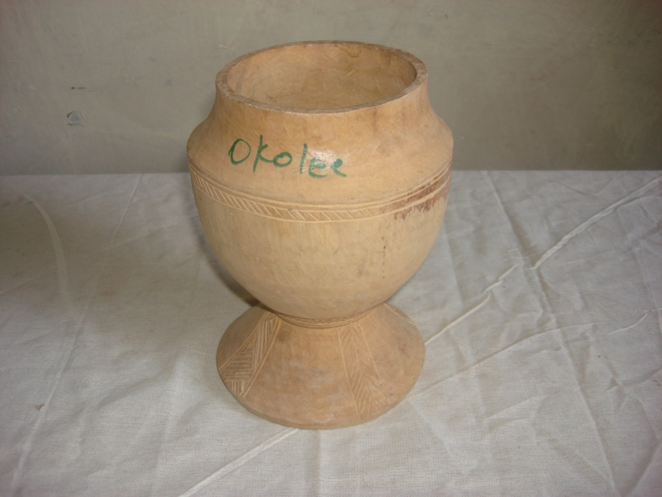
Okolee
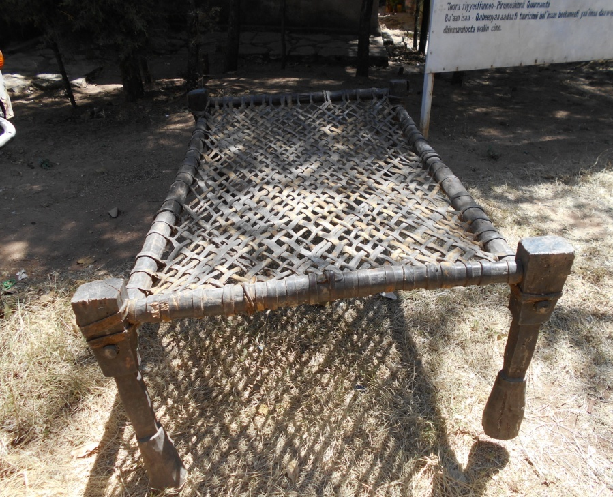
Siree
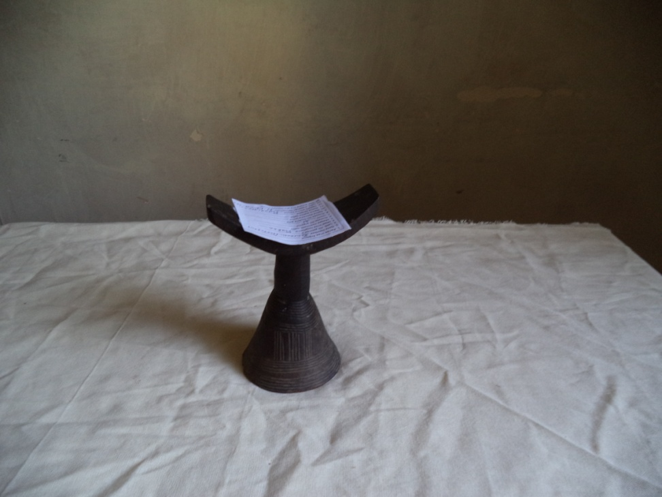
Barcuma
Kokorsaa
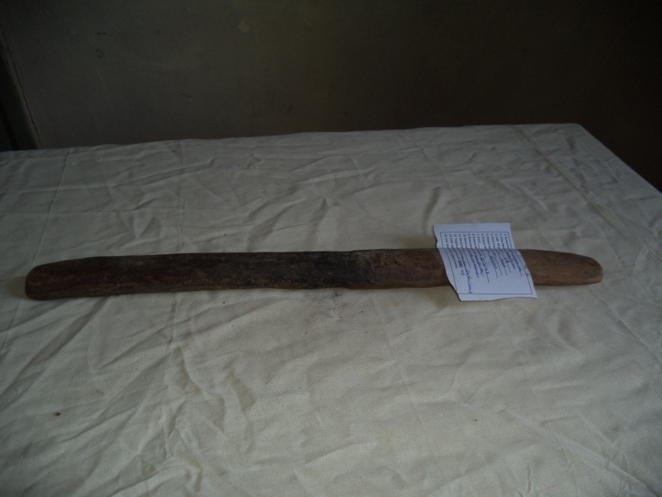
Distii
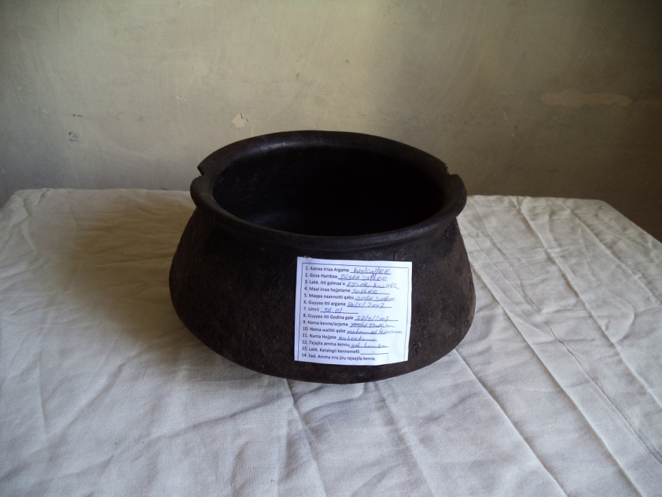
Diroo
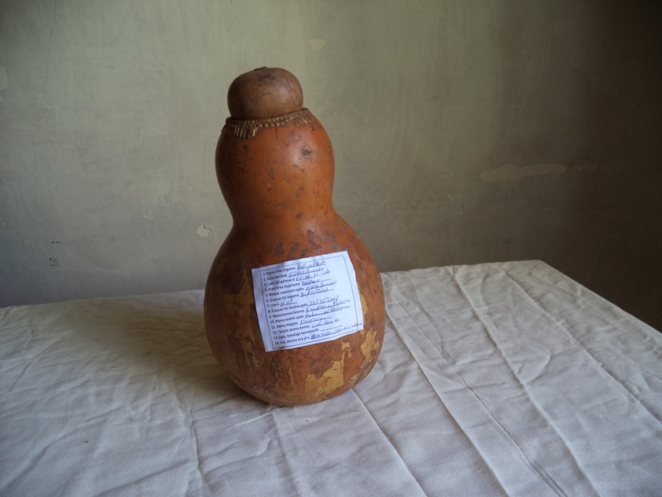
Ciicoo
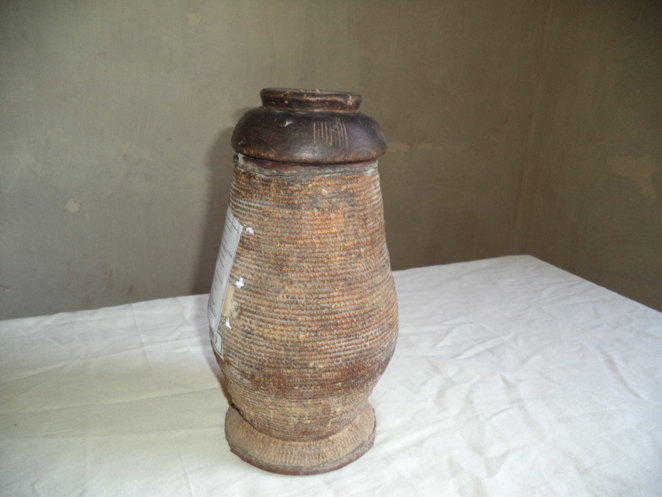
Qarbata
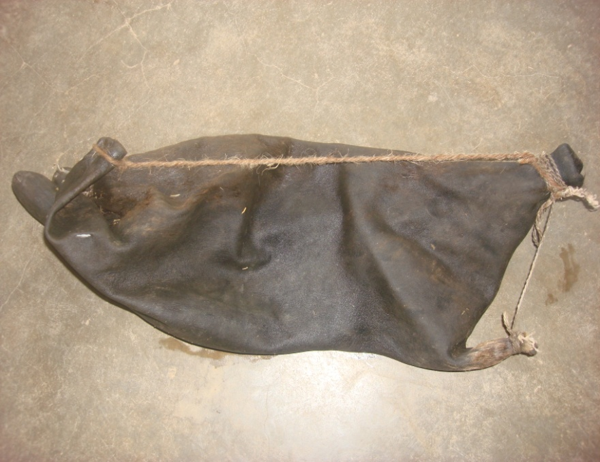
Gorboota
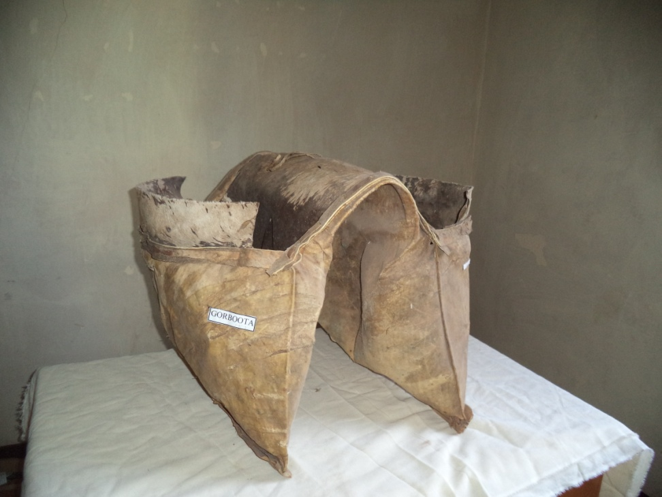
Teepha
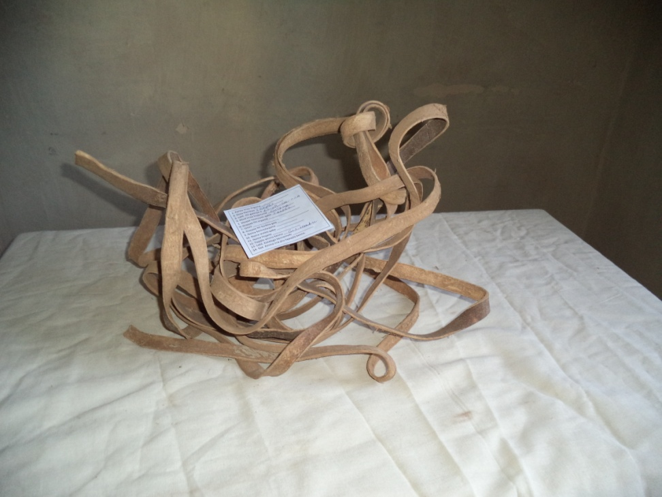
Qarwalaa
Qorii
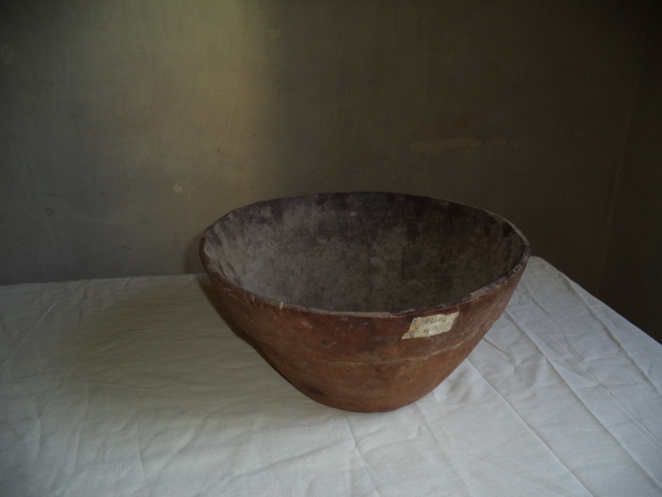
Gingilchaa Daakuu
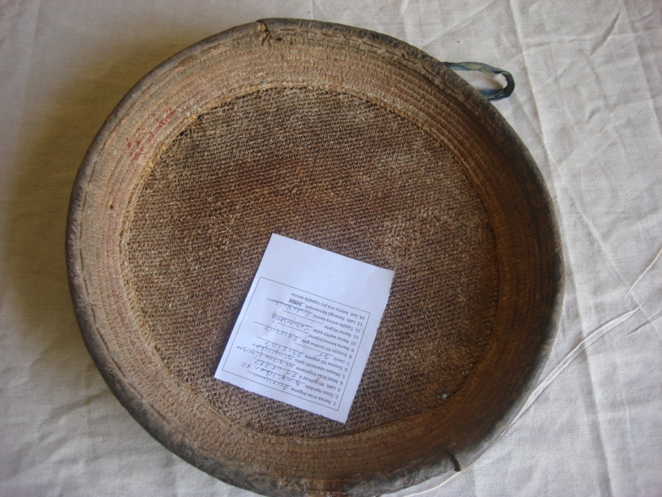
Killa Qorii
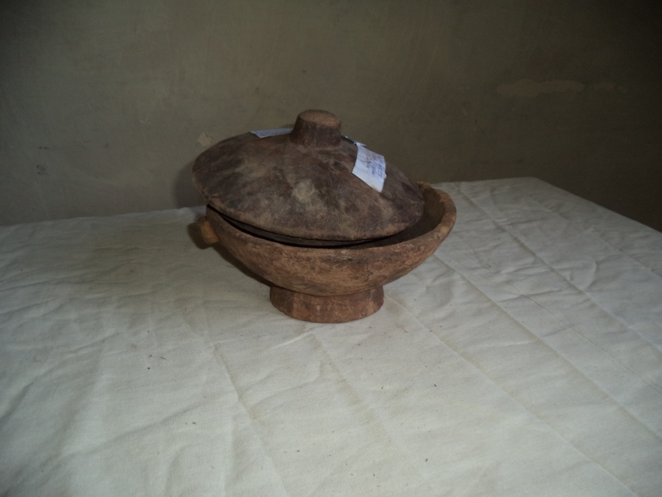
Gimbicha Hucuu
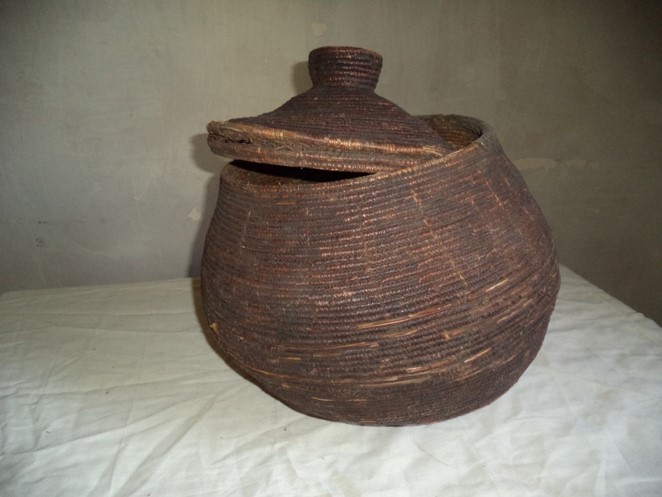
Dheengee Daa'imaa
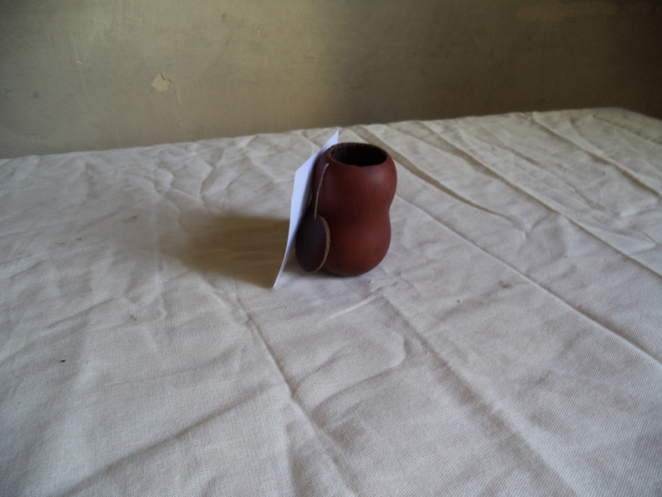
Kaasa Hoojjaa
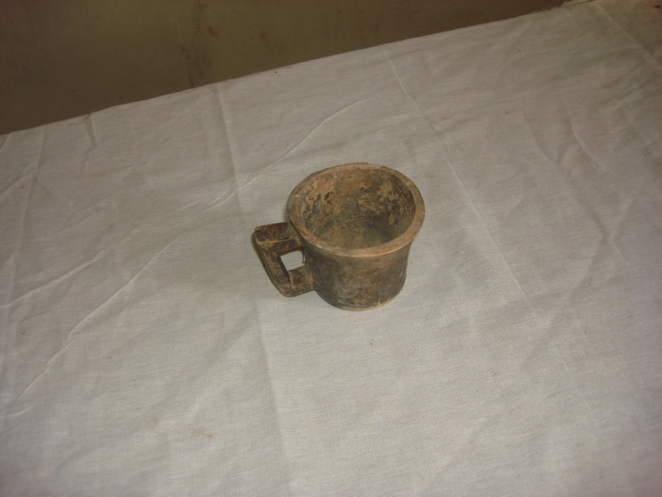
Qottoo
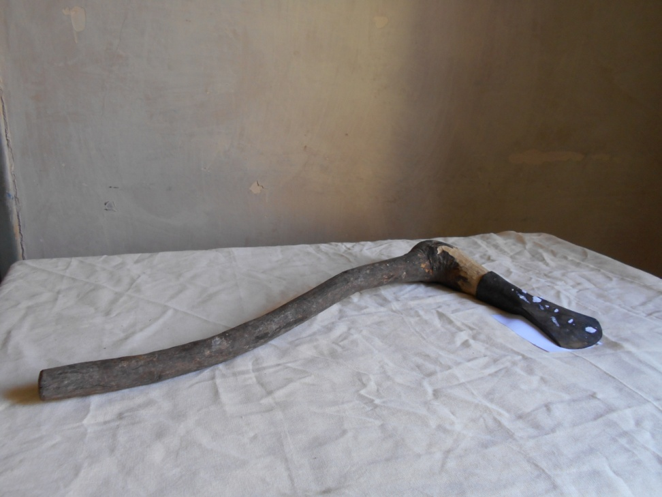
Okkotee Gaawwaa
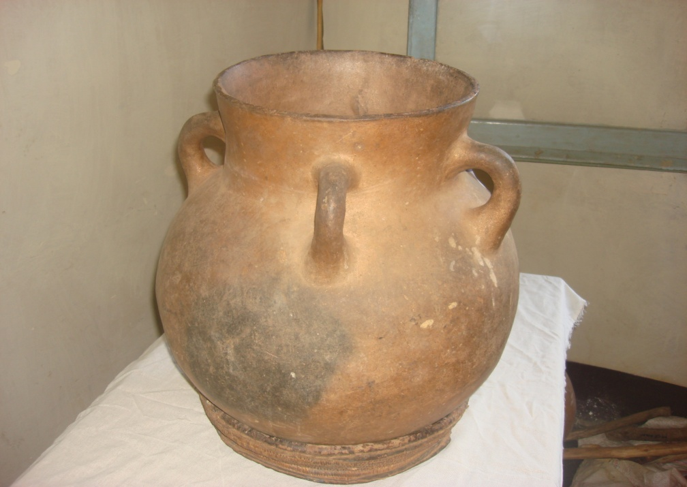
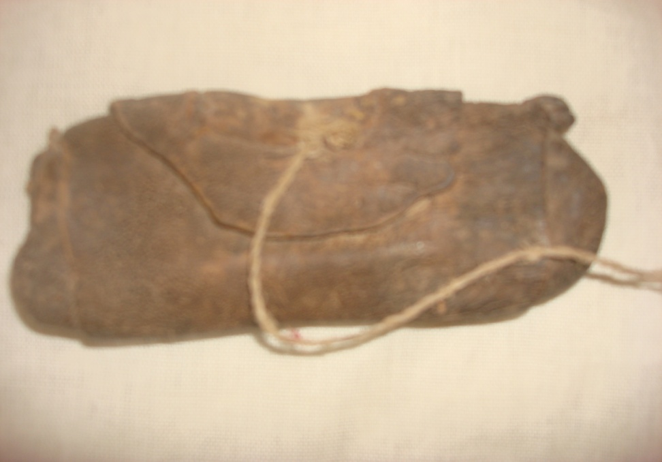
Korojoo Tamboo
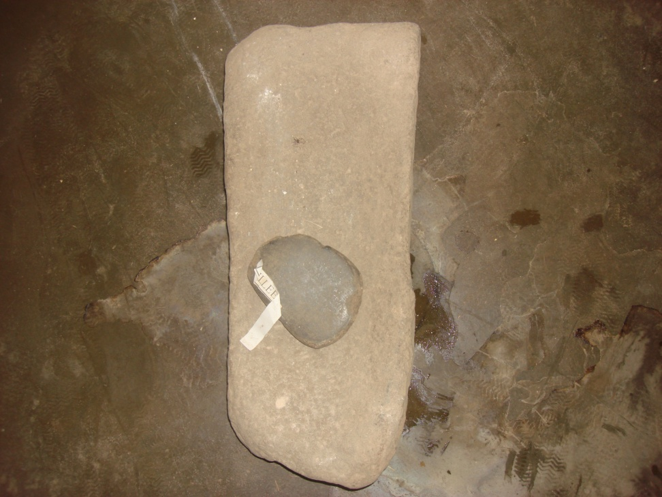
Dhagaa Qooshaa
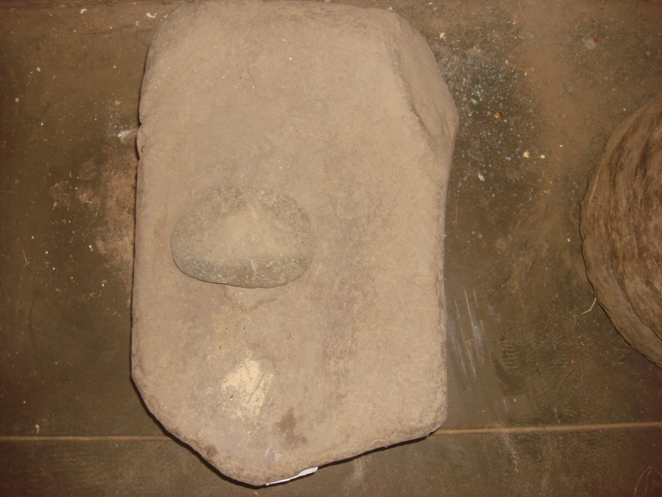
Dhagaa Daakuu
D. Wears/Clothings
Kophee Kalloo
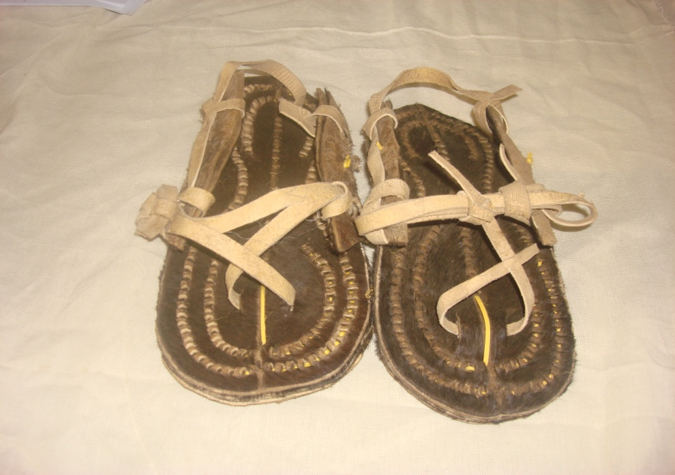
Aslii
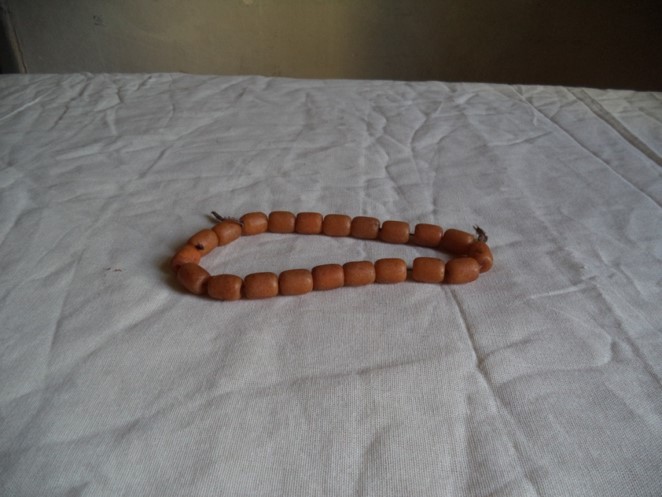
Barixaa
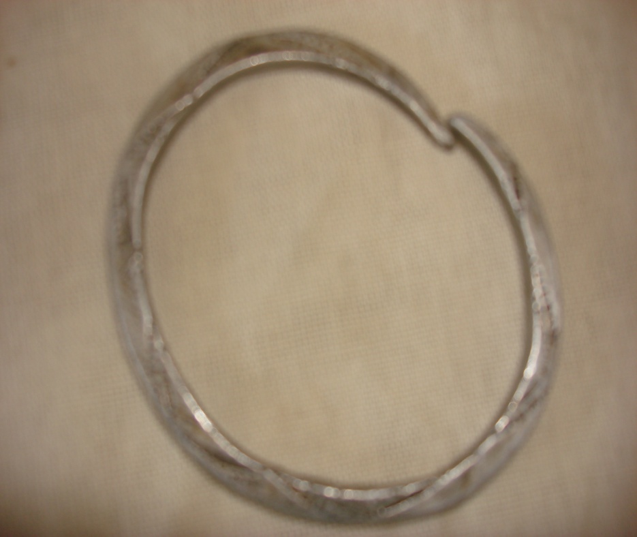
Dooqaa
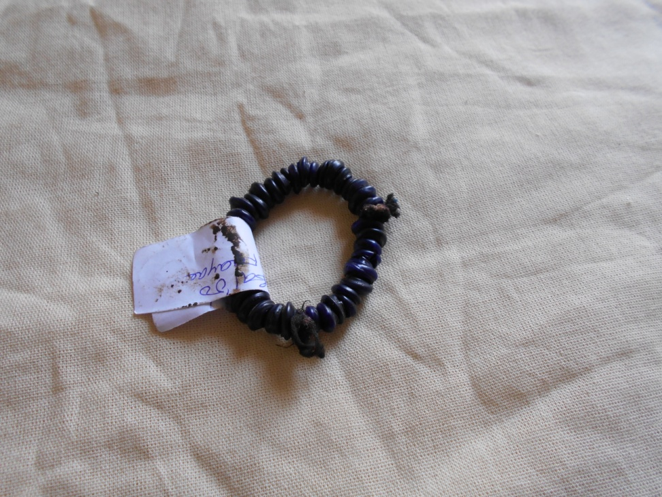
Kophee Mukaa
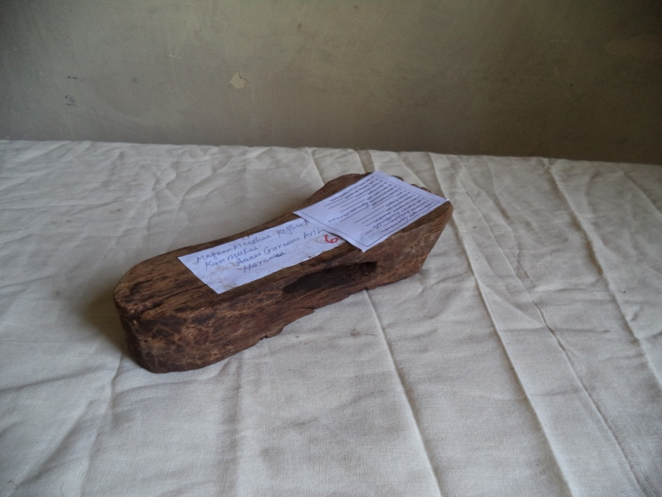
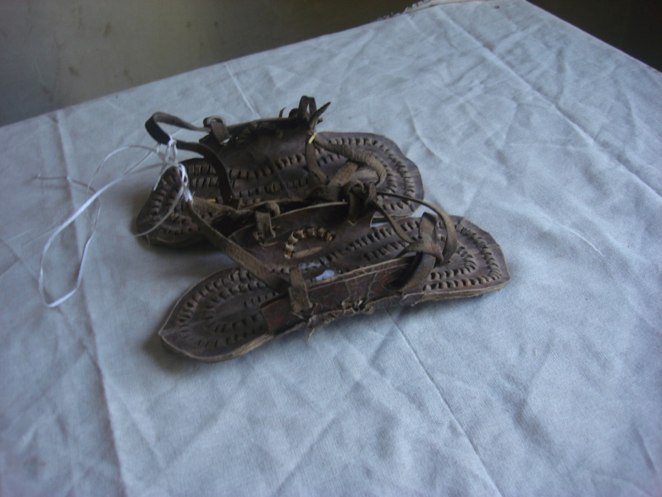
Kophee Aadaa
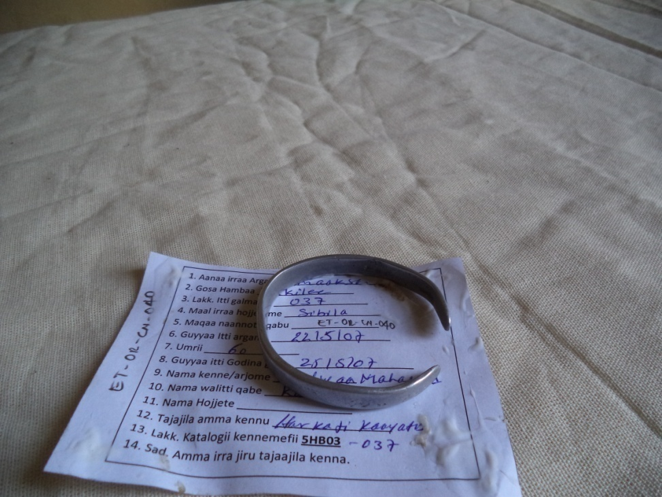
Kilkillee
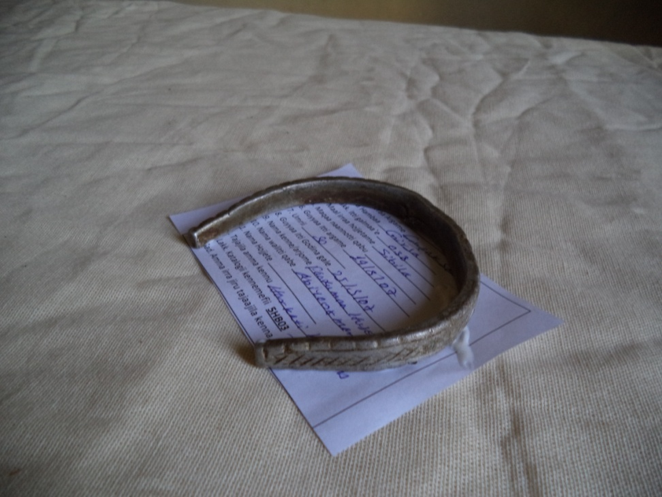
Girja
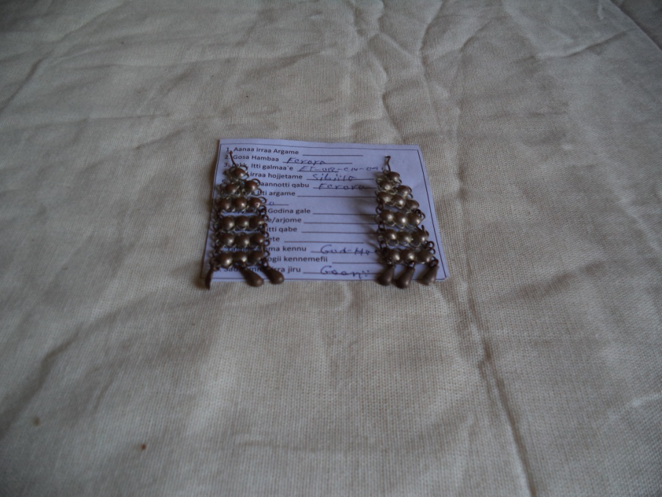
Forora Gurraa
Qarmaa Addarraa
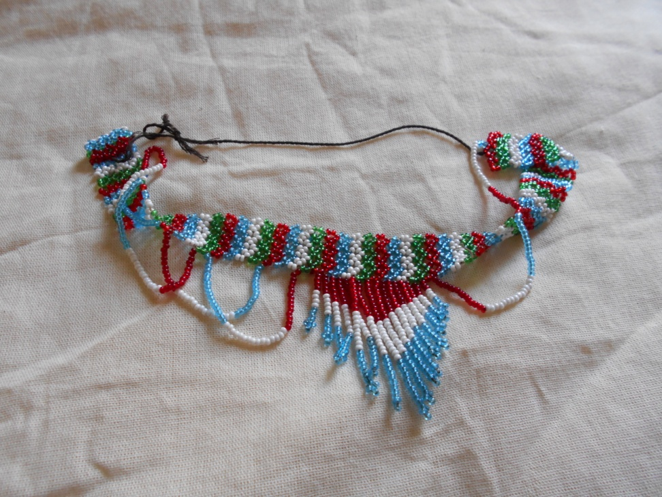
Manquuxa
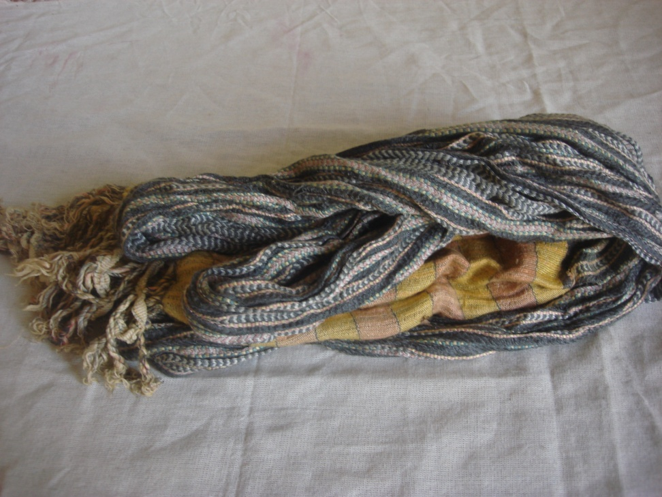
Sadeeta
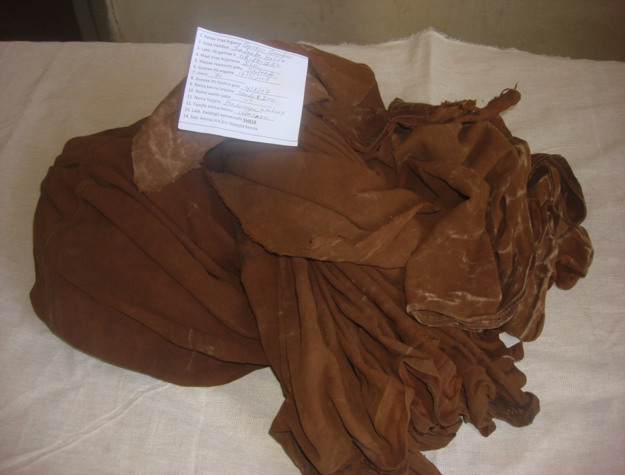
Kaliixaa Kalloo
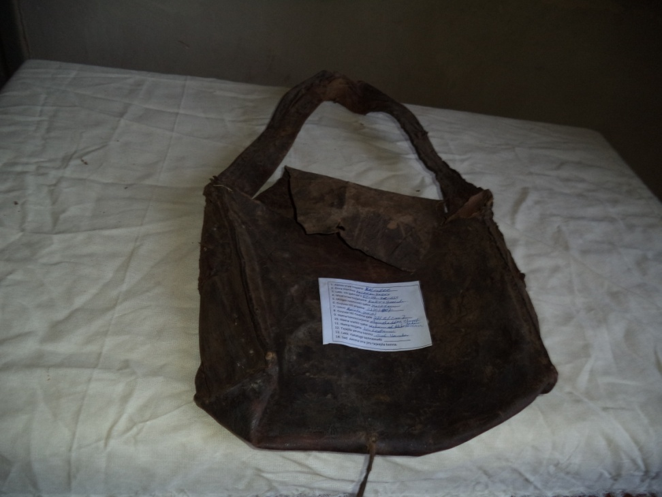
Marxoo
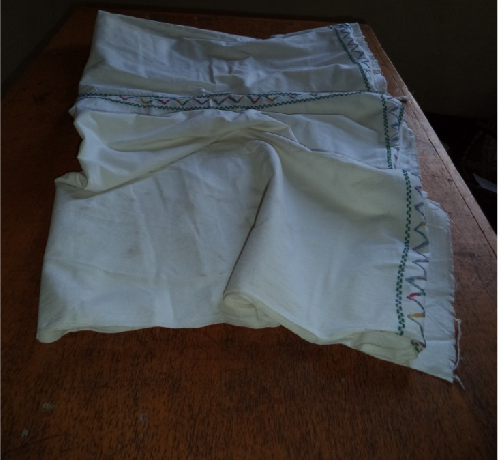
Shamiza
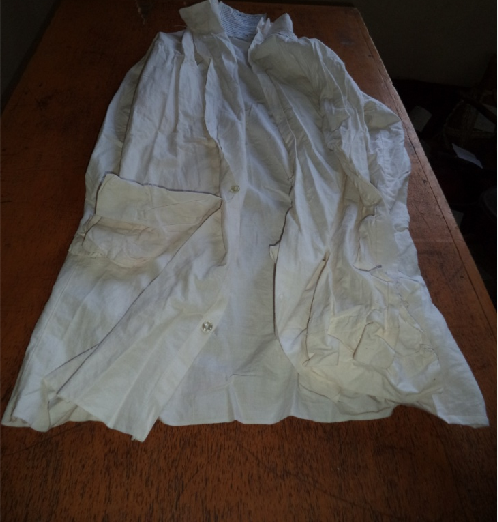
Naazii
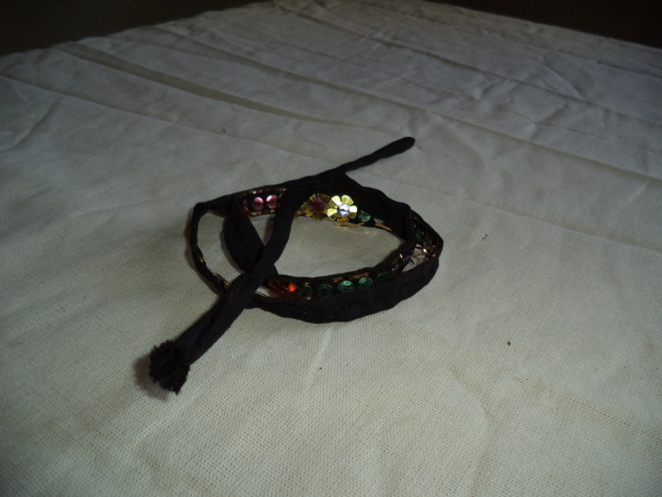
Wandabbee
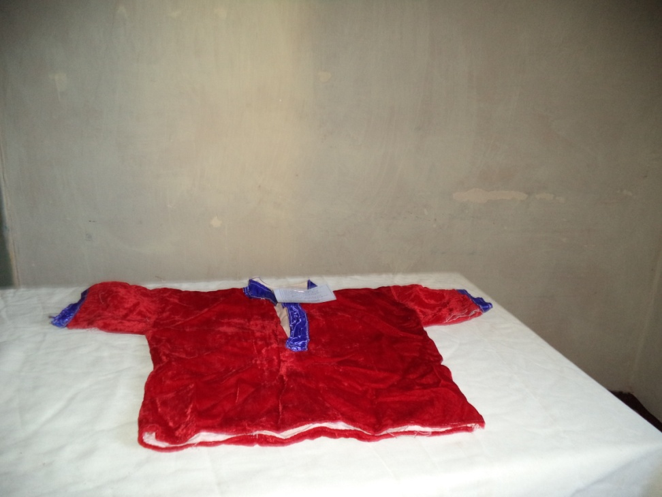
E. Music Instruments
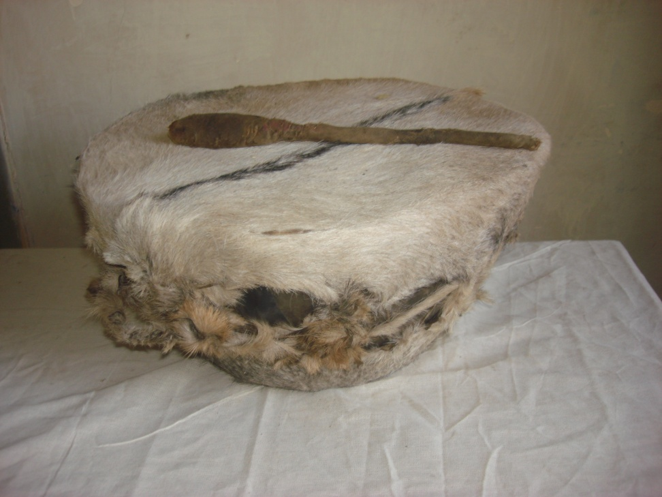
Dibbee Kalloo
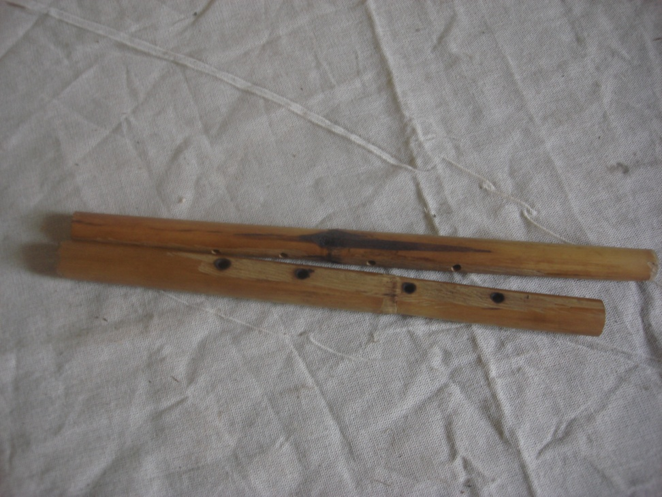
Uluullee Gobeensaa
F. Weapons
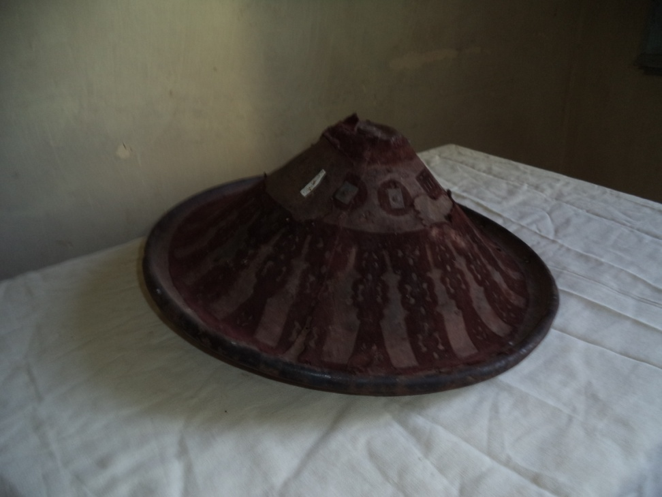
Gaachena
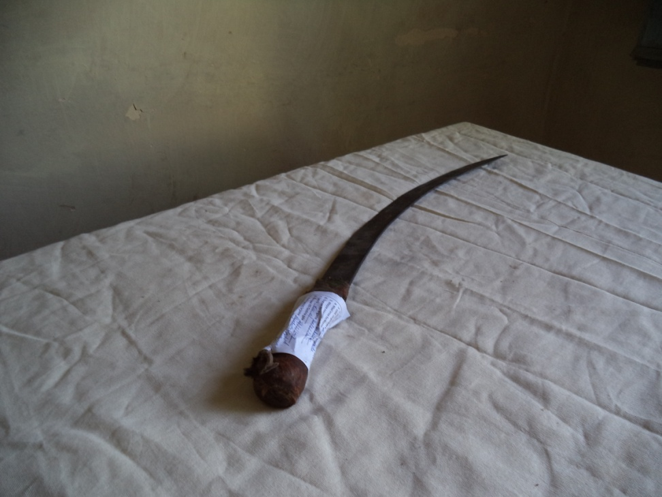
Habalee
Bilawa
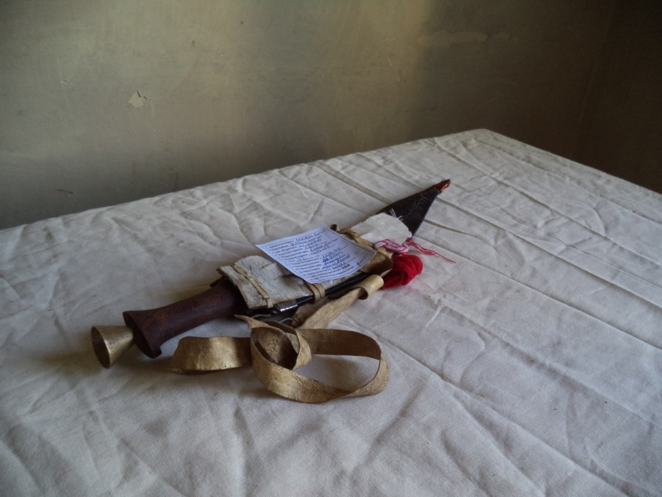
Boorsaa Gaangee
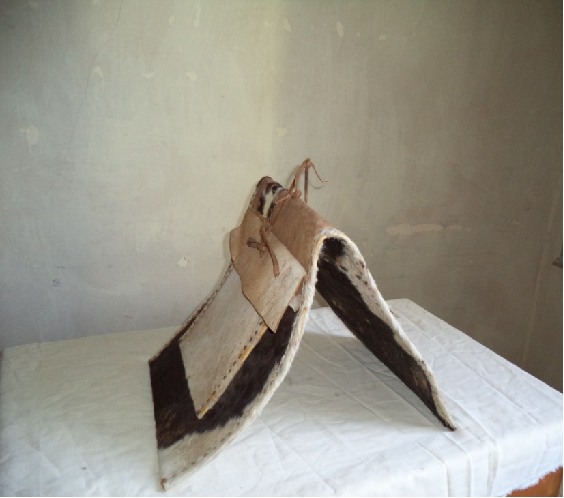
mancaa
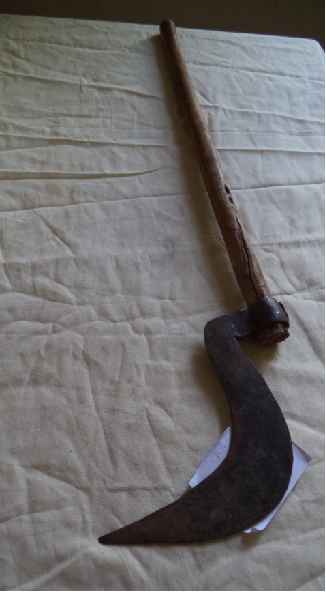
Manca Zaab
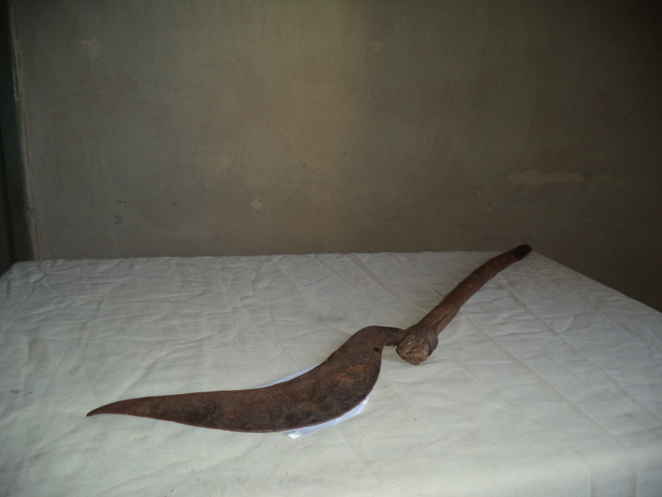
Wacaafaa
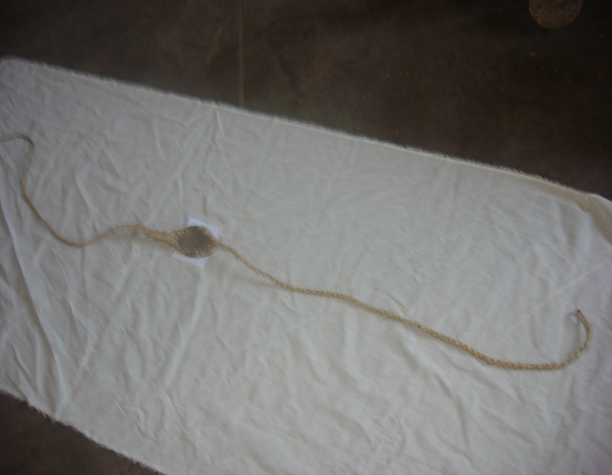
Kooraa Fardaa
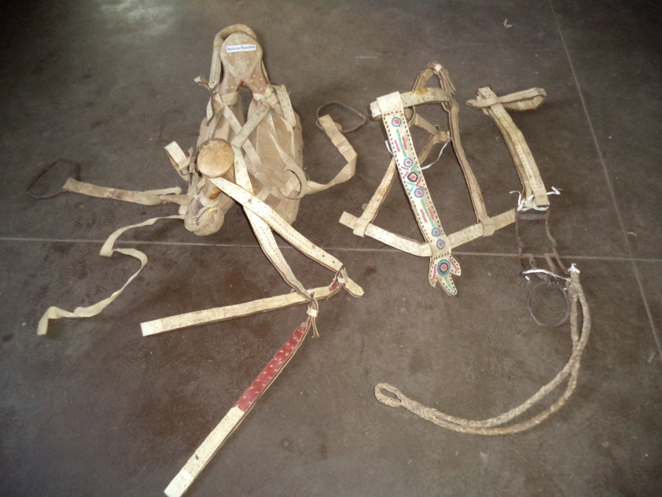
Eeboo
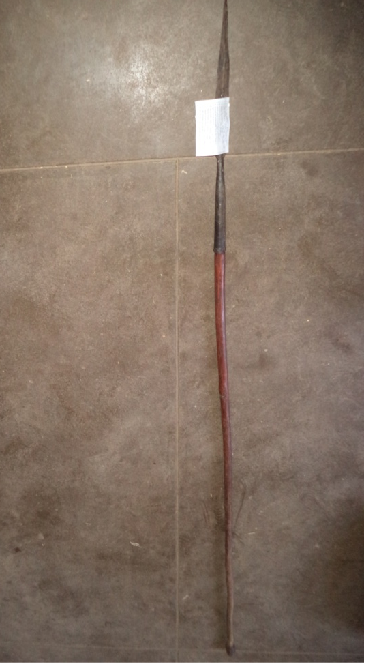
2. Your Messege